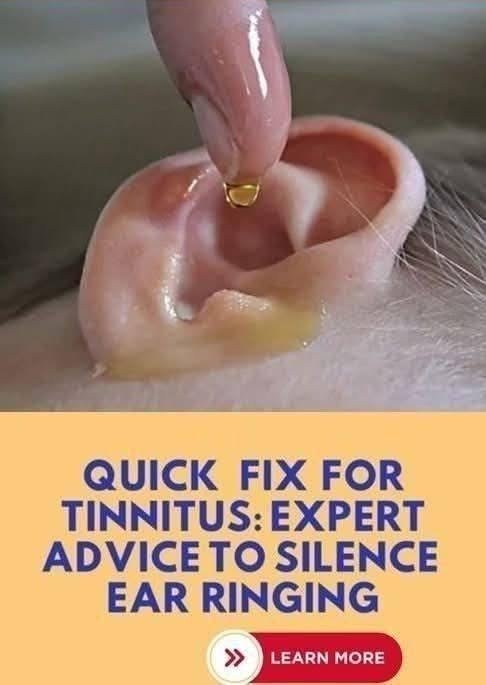
The idea that a simple 2-drop remedy can universally “restore your hearing” is a common internet myth. While ear drops can be helpful, they only work under very specific circumstances.
### When Ear Drops *Can* Help
Ear drops (such as over-the-counter carbamide peroxide drops, mineral oil, or saline) are only effective if your hearing loss is **conductive** and caused by a physical blockage—specifically, a buildup of hardened **earwax (cerumen)**.
* When wax completely blocks the ear canal, sound waves cannot reach your eardrum, making your hearing sound muffled or distant.
* Softening and removing that wax can successfully restore your hearing back to normal.
### When Ear Drops *Will Not* Help
If your hearing loss is due to anything other than an earwax blockage, drops will have no effect. They cannot fix:
* **Sensorineural hearing loss:** Damage to the delicate hair cells in the inner ear or the auditory nerve (often caused by aging or long-term exposure to loud noise).
* **Middle ear issues:** Fluid, inflammation, or damage behind the eardrum.
### Important Safety Rules Before Using Any Ear Drops
If you suspect you have an earwax blockage and want to try softening drops, keep these safety precautions in mind:
* **Never use drops if you have pain, discharge, bleeding, dizziness, or a suspected/known perforated (ruptured) eardrum.** Putting liquids into an ear with a damaged eardrum can cause severe pain, infection, or further injury.
* **Do not insert objects:** Never use cotton swabs (Q-tips), hairpin objects, or fingers to dig out wax, as this usually pushes the blockage deeper.
* **Know when to see a doctor:** If your hearing loss came on suddenly, doesn’t improve after a few days of over-the-counter treatment, or is accompanied by severe pain or dizziness, stop and schedule an evaluation with a healthcare provider or an ear, nose, and throat (ENT) specialist.
Are you currently experiencing muffled hearing or other symptoms like pain or ringing?