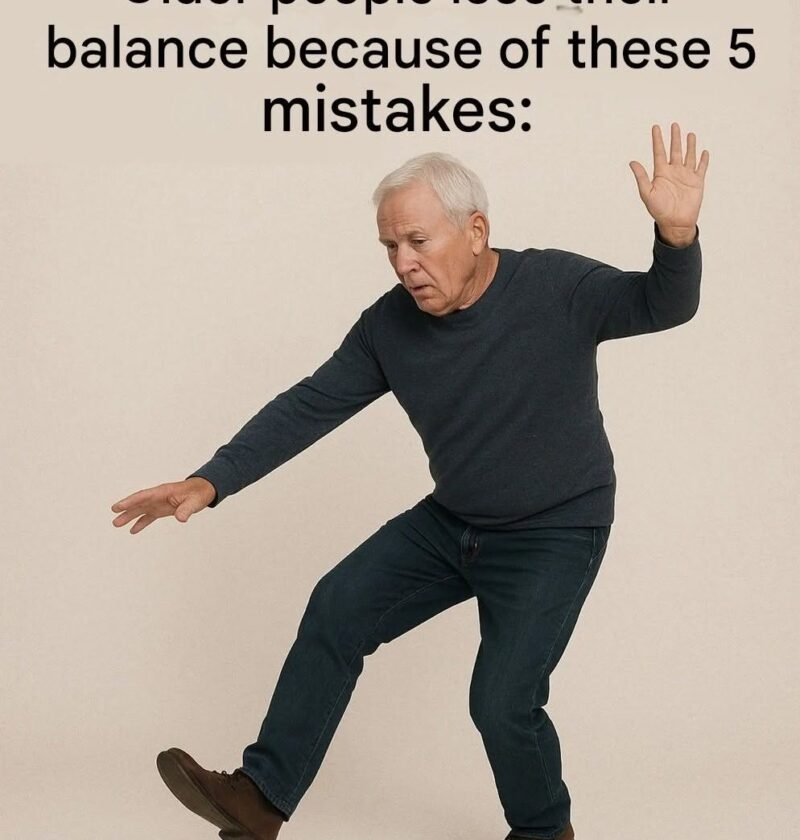
Maintaining stability as we age relies on a complex coordination between the inner ear, vision, muscles, and nerves. Often, gradual balance loss isn’t just an inevitable part of aging, but the result of everyday habits or oversight.
Here are 5 common mistakes that can undermine balance in older adults, along with ways to correct them:
1. Wearing Unsupportive Footwear (or Walking in Socks)
-
The Mistake: Walking around the house in smooth socks or slippers, or wearing overly cushioned, thick-soled shoes outdoors. Thick or spongy shoe soles can block the crucial pressure and position signals that your feet send to your brain, while socks on hardwood or tile floors create an immediate slip hazard.
-
The Correction: Opt for well-fitting shoes with thin, firm, non-skid soles for everyday wear, and avoid walking barefoot or in socks on slick indoor surfaces.
2. Neglecting Strength and Balance Exercises
-
The Mistake: Adopting a sedentary lifestyle out of fear of falling. Ironically, doing less physical activity leads to rapid muscle atrophy—especially in the core, hips, and legs—which actually increases the risk of a fall. Traditional walking alone isn’t always enough to challenge and maintain balance.
-
The Correction: Incorporate targeted, low-impact movements into your routine, such as chair stands, single-leg balances (near a counter for safety), or practices like Tai Chi.
3. Overlooking Medication Side Effects
-
The Mistake: Assuming that sudden lightheadedness, dizziness, or daytime drowsiness is just a normal sign of getting older. Many common prescriptions—including blood pressure medications, sedatives, muscle relaxants, and certain antidepressants—can cause unsteadiness or drops in blood pressure when standing.
-
The Correction: Request a regular medication review with a doctor or pharmacist to screen for drugs that impact coordination or cause dizziness. Never adjust prescriptions on your own.
4. Ignoring Vision and Hearing Changes
-
The Mistake: Skipping annual eye exams or delaying updated eyeglass prescriptions. Poor depth perception, cataracts, or uncorrected blurriness make it difficult to judge steps and spatial hazards. Additionally, the inner ear structures responsible for hearing are deeply tied to the vestibular system; untreated hearing loss can subtly disrupt balance.
-
The Correction: Get your eyes and ears checked annually. If you wear multifocal lenses (like progressive lenses), be especially mindful when navigating stairs, as the reading portion can distort step edges.
5. Rushing and Overlooking Home Hazards
-
The Mistake: Moving quickly without planning—such as rushing to answer the phone or getting out of bed too fast—or living with hidden tripping hazards like loose area rugs, trailing cords, and poorly lit hallways.
-
The Correction: Slow down and allow extra time for transitions, especially standing up from a seated or lying position (to prevent orthostatic dizziness). Clear high-traffic paths, secure or remove loose rugs, and ensure adequate lighting throughout the home.
💡 Proactive Tip:Small adjustments can make a massive difference in preserving independence. If balance changes feel sudden or severe, it is always wise to consult a physician or physical therapist for a comprehensive evaluation.
Are you or a loved one looking to build a safer home environment, or interested in specific balance exercises to try out?