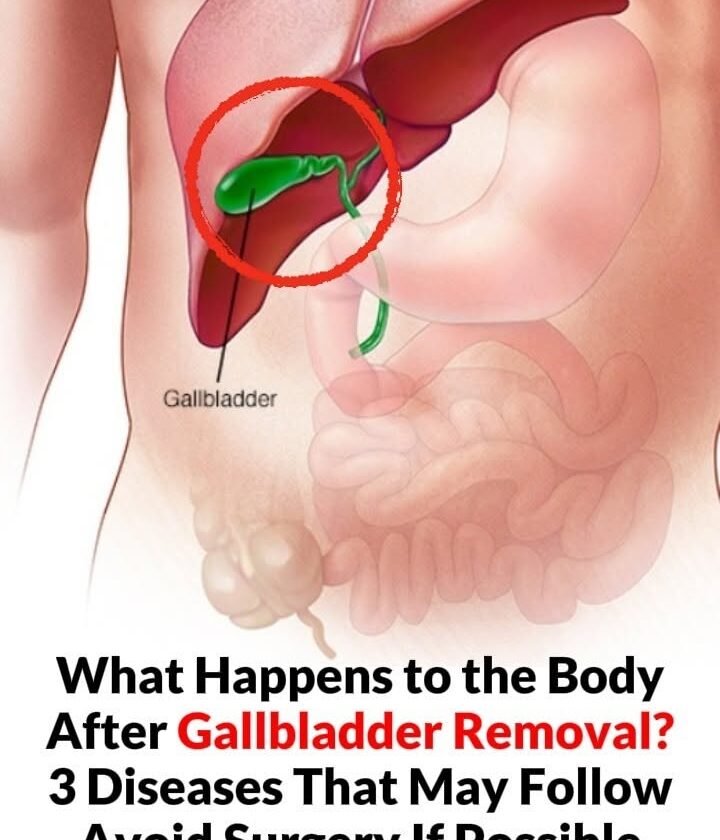
When the gallbladder is removed (a procedure known as a cholecystectomy), the body loses its primary storage reservoir for bile. Normally, the gallbladder collects bile produced by the liver and releases it in concentrated bursts to help digest fats. Without it, bile drips continuously and less concentrated directly into the small intestine.
While gallbladder surgery is often necessary for acute emergencies or severe blockages, avoiding surgery when possible—through dietary modifications, lifestyle management, or dissolving small stones under medical supervision—is ideal because the body must permanently adapt to a altered digestive layout.
When the system cannot adapt smoothly, several long-term issues and post-surgical conditions can follow:
1. Post-Cholecystectomy Syndrome (PCS)
Post-Cholecystectomy Syndrome is a broad term used when a patient continues to experience symptoms that mimic a bad gallbladder after the organ has been removed. Up to 10% to 40% of patients experience lingering or new digestive distress.
-
What happens: Patients frequently report right upper quadrant abdominal pain, severe bloating, excess gas, chronic indigestion, and a persistent intolerance to fatty foods.
-
The root cause: This can happen because the underlying issue wasn’t just the gallbladder, or because the continuous, unregulated flow of bile irritates the lining of the digestive tract.
2. Bile Acid Malabsorption and Chronic Diarrhea
Without a gallbladder to meter out bile efficiently, excess bile acids frequently overflow into the colon.
-
What happens: Bile acids naturally act as natural laxatives in the large intestine. When too much flows down unchecked, it draws water into the stool, resulting in chronic, urgent, watery diarrhea (known as bile acid diarrhea), severe cramping, and urgency shortly after eating.
-
The impact: This can interfere with the proper absorption of fats and fat-soluble vitamins (A, D, E, and K), sometimes requiring long-term medication (like bile acid sequestrants) to bind the excess acid.
3. Sphincter of Oddi Dysfunction (SOD) and Bile Duct Issues
The Sphincter of Oddi is a muscular valve that opens to allow bile and pancreatic juices to flow into the small intestine.
-
What happens: In some individuals, this valve begins to spasm, narrow, or malfunction after the gallbladder is gone because it reacts abnormally to the constant, unregulated dripping of bile. This can cause intense, biliary-type colic pain, backup of fluids, and secondary inflammation of the pancreas (pancreatitis).
-
Additional risks: In rare cases, tiny stones can also form directly inside the remaining bile ducts years after surgery, causing blockages, infections (cholangitis), and jaundice.
💡 Can You Avoid Surgery?If you are dealing with mild sludge, small stones, or occasional biliary discomfort, many functional medicine doctors and gastroenterologists advocate for preserving the gallbladder whenever safe. Management often includes adopting a low-inflammatory, lower-fat diet, staying aggressively hydrated, using targeted supplements (like ox bile or digestive enzymes under guidance), and addressing underlying sluggish liver function.(Note: Emergency situations like acute cholecystitis, severe infection, or a blocked common bile duct do require immediate medical intervention.)
Are you currently managing gallbladder symptoms, or trying to find ways to support your digestive health without surgery?