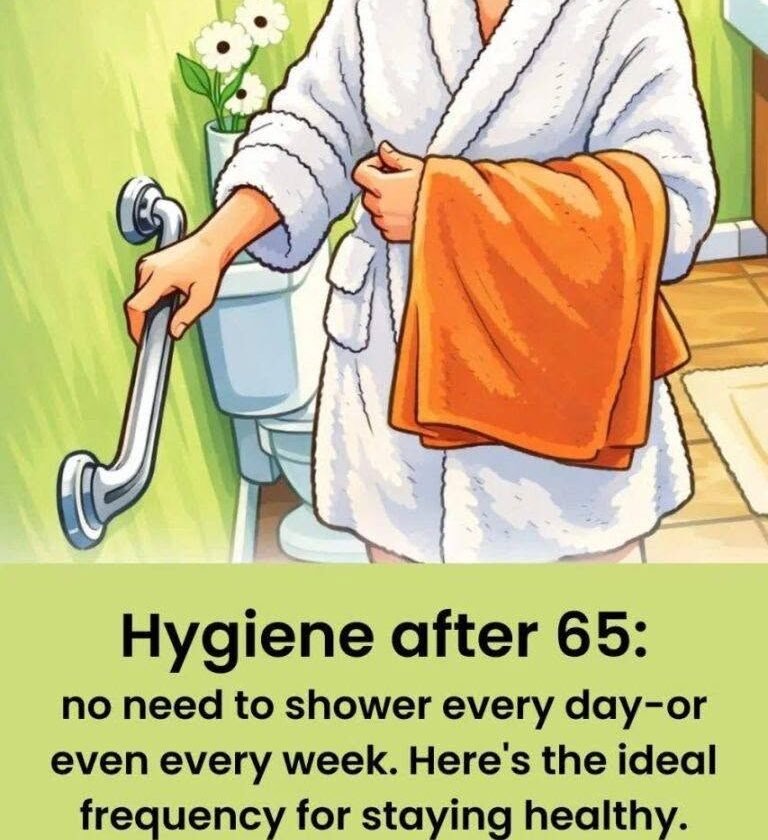
Why Daily Showers After 65 May Do More Harm Than Good
As we get older, our skin changes. After age 65, it often becomes thinner, drier, and more sensitive. Daily showers aren’t necessarily harmful, but long, hot showers and harsh soaps can damage the skin’s protective barrier.
Here are seven things older adults should know.
7 ways daily showers may affect older skin
1. Dry, itchy skin — Aging skin produces less natural oil, and frequent washing can remove some of the oils that help retain moisture.
2. Increased skin irritation — Strong soaps, fragrances, and antibacterial cleansers may aggravate sensitive skin.
3. A weaker skin barrier — Repeated exposure to hot water and harsh cleansers can make it easier for moisture to escape, leading to dryness and cracking.
4. Worsening eczema — Long, hot showers may aggravate eczema and other inflammatory skin conditions.
5. Small cracks in the skin — Very dry skin can split, especially around the heels, hands, and lower legs. These cracks may become entry points for infection.
6. Dizziness and falls — Hot showers can sometimes cause lightheadedness, particularly in people with low blood pressure or balance problems. Wet bathroom floors add another risk.
7. Disrupted skin comfort — Washing too often with harsh products may leave the skin feeling tight, flaky, or uncomfortable.
How often should people over 65 shower?
There is no single ideal schedule for everyone. Depending on activity, sweating, personal preference, and skin condition, some older adults do well showering every day, while others may prefer every two or three days.
Keep showers short, around 5–10 minutes, rather than taking long, hot showers.
Use mild, fragrance-free products and focus on areas that need washing, such as the armpits, groin, feet, and visibly dirty skin.
Gently pat the skin dry and apply a fragrance-free moisturizer while the skin is still slightly damp.
Use a nonslip mat, grab bars, and a shower seat if balance or mobility is a concern.
When should you be concerned?
Persistent itching, unexplained rashes, deep skin cracks, or wounds that aren’t healing deserve medical attention. Seek urgent care for spreading redness, warmth, swelling, pus, or fever associated with a skin wound.
The bottom line: After 65, the goal isn’t to avoid bathing. It’s to keep clean without stripping away the skin’s natural moisture or increasing the risk of falls.
You can maintain good hygiene with less frequent full showers if that suits your skin, while still washing the areas that need daily attention.