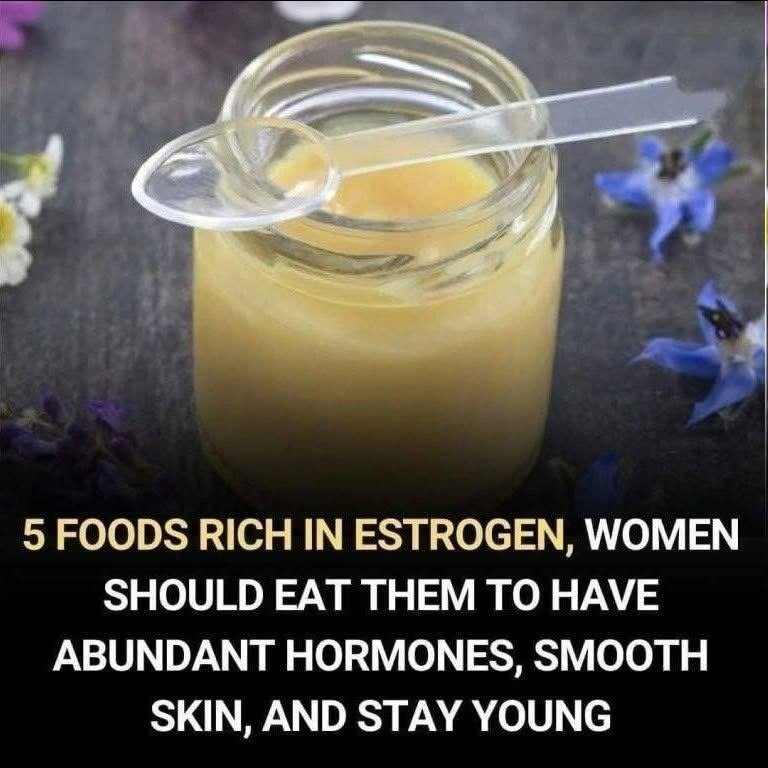
When people look for “estrogen-rich” foods, they are typically referring to foods high in phytoestrogens. These are naturally occurring plant compounds that have a chemical structure similar to human estrogen. Because of this, they can weakly mimic or modulate the effects of estrogen in the body.
Here are 5 of the top foods rich in phytoestrogens, along with how they impact your diet:
1. Flaxseeds
-
The Estrogen Type: Lignans
-
Why They Stand Out: Flaxseeds contain more lignans than almost any other plant food on earth—up to several hundred times more than other foods. When you eat them, gut bacteria convert these lignans into compounds that exhibit weak estrogenic activity.
-
How to Use: Ground flaxseeds are the most easily absorbed by your body. Stir a tablespoon into your morning oatmeal, yogurt, smoothies, or baked goods.
2. Soybeans and Edamame (Including Tofu & Tempeh)
-
The Estrogen Type: Isoflavones
-
Why They Stand Out: Soy is arguably the most thoroughly researched source of dietary phytoestrogens. Whole or minimally processed soy foods (like green edamame pods, tofu, and tempeh) are packed with isoflavones, which can bind to estrogen receptors in the body. Research suggests they may help ease menopausal symptoms like hot flashes.
-
How to Use: Enjoy steamed edamame as a snack, swap meat for tofu in a stir-fry, or add tempeh to grain bowls.
3. Sesame Seeds
-
The Estrogen Type: Lignans
-
Why They Stand Out: Much like flaxseeds, sesame seeds are a powerhouse source of lignans. Studies have noted that regular consumption of sesame seeds or sesame oil can help support bone health and maintain favorable hormone markers, particularly in postmenopausal women.
-
How to Use: Sprinkle sesame seeds over salads, stir-fries, or roasted vegetables, or use tahini (sesame paste) as a base for dressings and hummus.
4. Dried Fruits (Dates, Prunes, and Dried Apricots)
-
The Estrogen Type: A mix of phytoestrogens (including lignans and isoflavones)
-
Why They Stand Out: Dried fruits are concentrated, nutrient-dense snacks that pack a much higher phytoestrogen punch than their fresh counterparts. Beyond plant estrogens, they are loaded with fiber, iron, and antioxidants.
-
How to Use: Keep a small handful of dried apricots, dates, or prunes on hand for an easy energy boost, or chop them up to add to salads and oatmeal.
5. Garlic
-
The Estrogen Type: Isoflavonoids
-
Why Details Matter: While usually thought of as a culinary aromatic rather than a hormonal food, garlic is surprisingly rich in phytoestrogens. Animal and early human studies suggest that garlic’s unique plant compounds and antioxidant properties may help minimize bone loss and ease certain hormonal fluctuations.
-
How to Use: Mince or crush fresh garlic and incorporate it generously into your daily cooking base, dressings, and marinades.
A Quick Note on Phytoestrogens:Because phytoestrogens mimic estrogen only weakly, eating these foods does not mean you are injecting actual hormones into your body. Instead, they act as “modulators”—meaning they can sometimes block stronger human estrogens or provide a mild boost when natural levels are dropping (such as during menopause).
Are you looking to add these foods to your diet for a specific health goal, like managing menopausal symptoms or supporting overall hormonal balance?