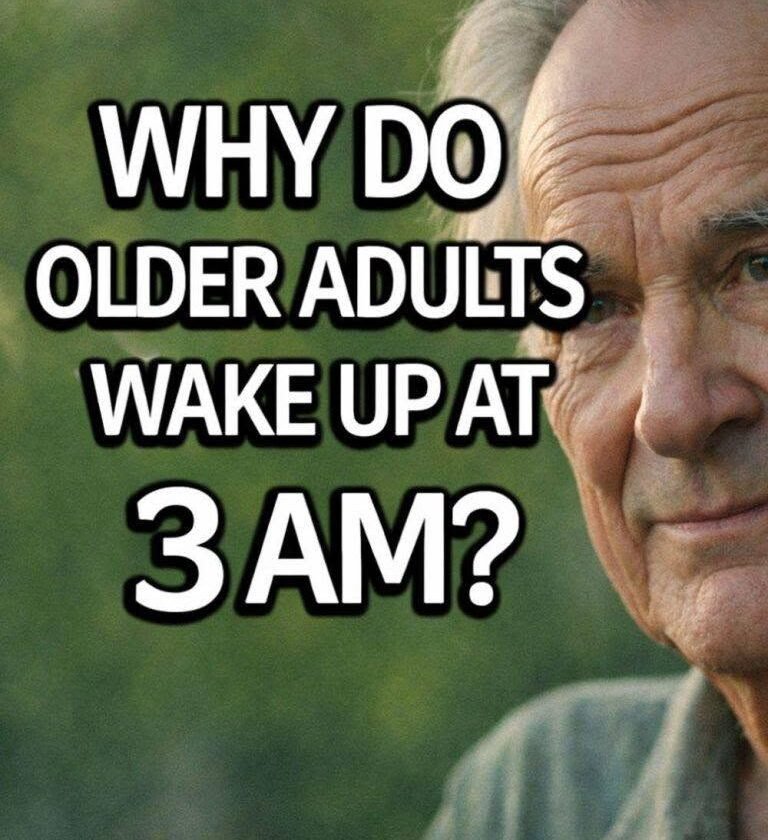
As people age, their sleep architecture naturally shifts, making night waking—particularly in the early morning hours like 3 a.m.—a very common experience.
—
### Why Many Older Adults Wake Up at 3 a.m.
* **Circadian Rhythm Shift (Advanced Sleep Phase):** The internal biological clock shifts earlier with age. Melatonin (the sleep hormone) is released earlier in the evening, causing older adults to feel tired earlier, fall asleep sooner, and consequently wake up earlier.
* **Flattened Melatonin and Cortisol Rhythms:** Aging often blunts the production of melatonin and alters cortisol (the stress/alertness hormone) patterns. A premature surge in cortisol around 3 a.m. can jolt the body out of deep sleep into a state of heightened alertness.
* **Reduced Sleep Depth:** Older adults spend less time in deep, slow-wave sleep and more time in lighter stages of sleep. This makes them much more vulnerable to being awakened by minor internal or external disturbances.
* **Physical Discomfort and Nocturia:** Age-related health issues—such as joint stiffness, chronic pain, restless legs syndrome, or the need to use the bathroom (nocturia)—frequently peak in the second half of the night, triggering awakenings.
* **Medical and Psychological Factors:** Conditions like sleep apnea, depression, anxiety, or neurodegenerative changes can disrupt sleep continuity, often centering around these early morning hours.
—
### What It Means for Their Rest
* **Fragmented Sleep Quality:** Waking up frequently means sleep is less restorative, even if the total number of hours in bed seems adequate.
* **Daytime Fatigue and Mood Impacts:** Chronic early morning waking can lead to daytime sleepiness, irritability, cognitive fog, and an increased risk of falls or accidents.
* **The “Frustration Cycle”:** Lying awake for long stretches worrying about not sleeping can raise anxiety, making it even harder to drift back off.
> **Note:** Waking briefly and falling back asleep within 15–20 minutes is generally normal. However, if an older adult consistently wakes up unable to return to sleep, it may be worth discussing with a healthcare provider to rule out underlying sleep disorders or medication side effects.
Are you or a loved one currently experiencing this pattern of waking, and is it impacting daytime energy levels?