15 Brilliant Baking Soda Tricks Every Woman Should Know
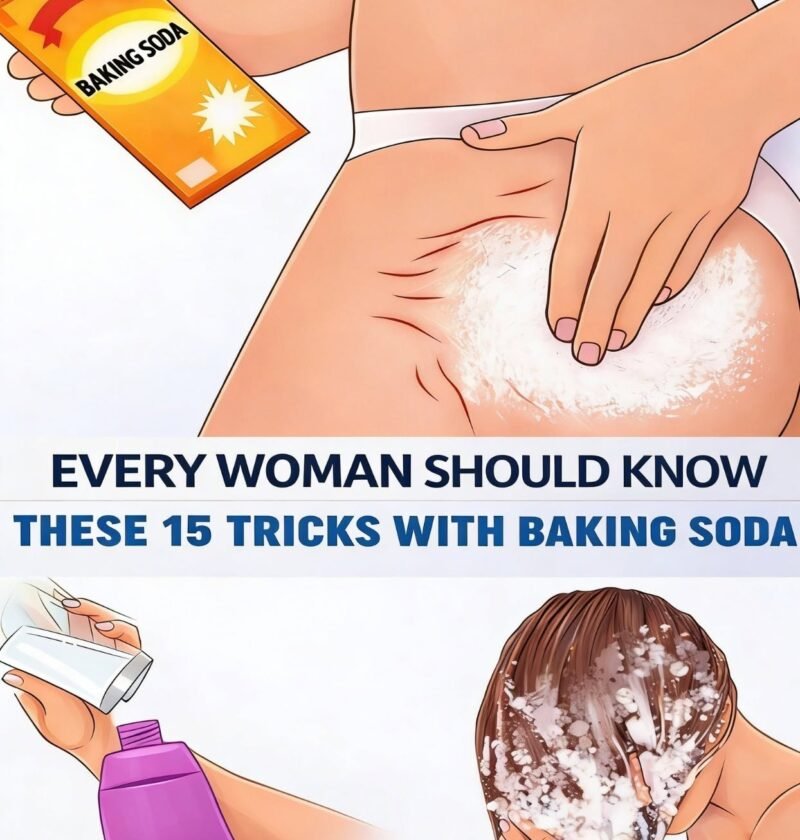
Baking soda (sodium bicarbonate) is an inexpensive household staple that can help with cleaning, laundry, and everyday odors. Here are 15 practical ways to use it — plus a few important safety tips.
Sprinkle a little baking soda on a damp sponge, gently scrub the sink, and rinse thoroughly.
Place an open, labeled container of baking soda in the refrigerator to help absorb some unwanted smells. Replace it periodically.
Add a little baking soda and water to form a paste. Rub gently, then rinse well.
A small amount added to a suitable laundry load may help with odors. Follow the washing machine and detergent instructions.
Test a hidden spot first, use a light sprinkle on a compatible dry carpet, and vacuum thoroughly. Keep powder away from children and pets.
Use a damp baking soda paste on compatible surfaces. Avoid aluminum, delicate finishes, and easily scratched surfaces.
Soak suitable trays in warm water with dish soap and a little baking soda before scrubbing gently.
Test a mild paste on a hidden area first. Avoid delicate leather, suede, and fabrics that may discolor or become damaged.
Place a small sachet of baking soda inside shoes when they are not being worn. Remove it before putting the shoes on.
Wash the empty bin with soap and water, dry it, and sprinkle a little baking soda in the bottom before adding a new liner.
Baking soda can help remove surface odors and some stains. It does not reliably disinfect a board; use appropriate food-safe sanitizing methods when needed.
Rinse fruits and vegetables under running water and rub their surfaces. Baking soda is not necessary; do not use soap or household cleaners on produce.
A baking soda paste can provide mild scrubbing action. Mixing it with vinegar causes fizzing but largely neutralizes both ingredients, so the combination is not a powerful universal cleaner.
Washing with ordinary soap and water is usually enough. Baking soda may help with some lingering odors, but rubbing it on sensitive or cracked skin can cause irritation.
When a recipe contains an appropriate acidic ingredient, measured baking soda releases carbon dioxide that helps cakes, muffins, and other baked goods rise. It is not interchangeable with baking powder in every recipe.
Important safety tips
-
Avoid using baking soda as a facial scrub or routine skin treatment. Its alkalinity can irritate skin and disrupt its natural protective barrier.
-
Don’t brush your teeth with household baking soda aggressively. Use fluoride toothpaste for routine dental care.
-
Never use it as a vaginal wash or intimate deodorizer. It can disrupt normal acidity and cause irritation.
-
Don’t drink baking soda as a home remedy without medical advice. It contains substantial sodium and can cause serious complications, especially in people with kidney disease, heart disease, or high blood pressure.
-
Never mix cleaning products with bleach, ammonia, or other chemicals unless the product labels explicitly say it is safe.
My best advice: Start with the kitchen sink, refrigerator odors, coffee mugs, and laundry. These are practical uses that don’t require applying baking soda to your body or swallowing it.