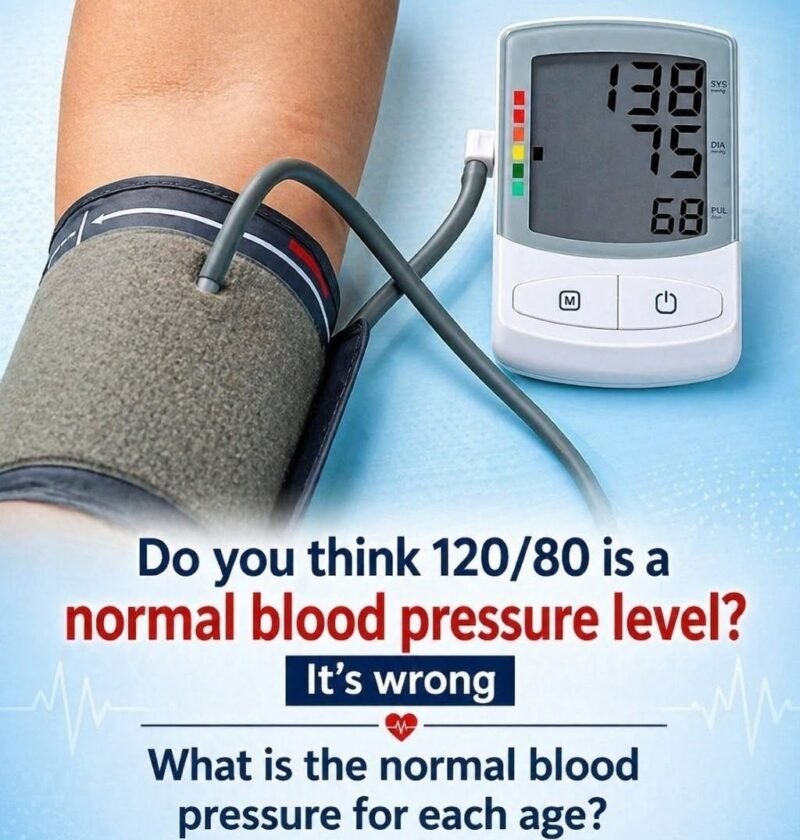
Here is the breakdown of normal blood pressure ranges categorized by age, based on the latest guidelines from the American Heart Association (AHA) and the American College of Cardiology (ACC).
Blood pressure is measured with two numbers: systolic (top number, pressure when the heart beats) over diastolic (bottom number, pressure when the heart rests between beats).
## Blood Pressure Ranges by Age Group
| Age Group | Systolic (mmHg) | Diastolic (mmHg) | Classification / Notes |
| Children (6–13 years) | Varies | Varies | Based on height, age, and sex; typically lower than adult ranges. |
| Teens (14–18 years) | Less than 120 | And less than 80 | Normal |
| Young Adults (18–39 years) | Less than 120 | And less than 80 | Normal |
| Middle Age (40–59 years) | Less than 120 | And less than 80 | Normal |
| Older Adults (60+ years) | Less than 130 | And less than 80 | Normal target (May vary depending on health history and medical advice) |
## Standard Adult Blood Pressure Categories
For adults, doctors categorize specific readings into the following groups:
-
Normal: Less than 120 / AND less than 80 mmHg
-
Elevated: 120–129 / AND less than 80 mmHg
-
Hypertension Stage 1: 130–139 / OR 80–89 mmHg
-
Hypertension Stage 2: 140 or higher / OR 90 or higher mmHg
-
Hypertensive Crisis (Seek Emergency Care): Higher than 180 / AND/OR higher than 120 mmHg
## Important Health Considerations
-
Vascular Aging: As people get older, blood vessels naturally lose some of their elasticity and become stiffer, which commonly causes the top number (systolic pressure) to rise. For this reason, healthcare providers may sometimes adjust targets for older adults based on individual health risks, medications, and overall fitness.
-
Daily Fluctuations: Blood pressure naturally changes throughout the day in response to physical activity, stress, posture, caffeine, and meals. A high diagnosis is never made from a single isolated reading, but rather from consistent averages over time.
Are you looking at these ranges for a specific age group, or do you have a particular reading you’d like to talk about?