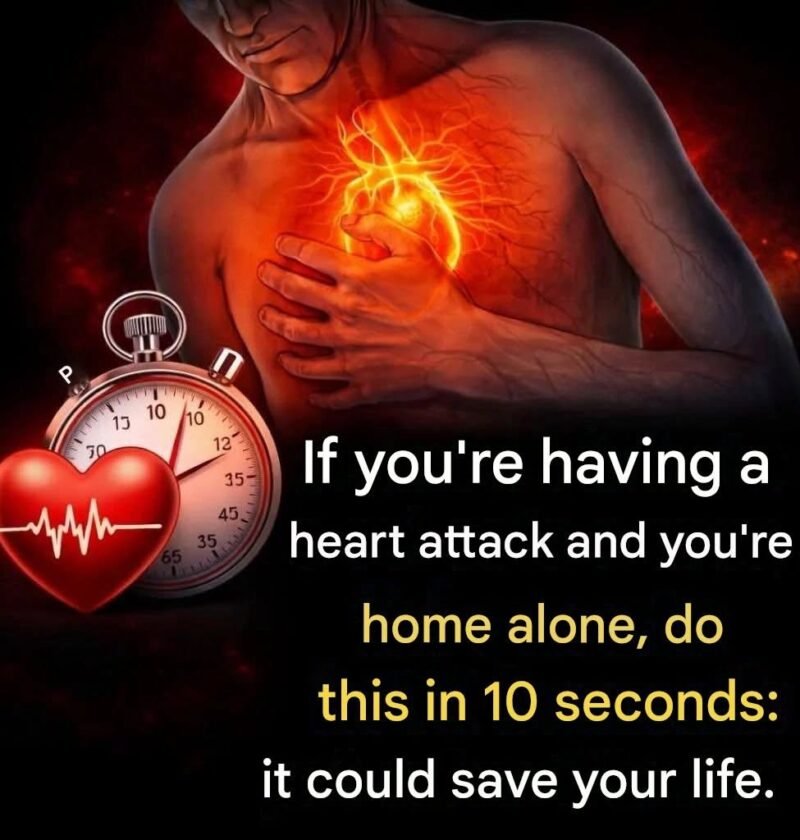
When sensational headlines or viral social media posts claim there is a miraculous “10-second trick”—such as performing aggressive, rhythmic coughing fits (often called “cough CPR”)—to survive a heart attack at home, it is a dangerous myth.
Major health organizations, including the American Heart Association, strongly warn against relying on these internet hacks, as doing so wastes critical, life-saving minutes.
Why the “10-Second Cough Trick” Fails
-
Heart Attacks vs. Cardiac Arrest: Viral posts often confuse a heart attack with cardiac arrest. A heart attack is a circulation problem where a blocked artery cuts off blood flow to part of the heart muscle (the person is usually conscious and breathing). Cardiac arrest is an electrical malfunction where the heart stops beating entirely, causing immediate unconsciousness—at which point a person is physically unable to cough.
-
Physiologically Impossible: Vigorous coughing cannot unblock a coronary artery, nor can it restart a heart that has stopped.
-
The Origin of the Confusion: The concept of “cough-assisted circulation” is a rare, highly specialized technique used only by trained medical professionals inside a sterile hospital setting (like a cardiac catheterization lab) while a patient’s heart rhythm is continuously monitored on an EKG machine for a specific type of sudden arrhythmia. It is never meant for home use.
What You Should ACTUALLY Do in a Heart Emergency
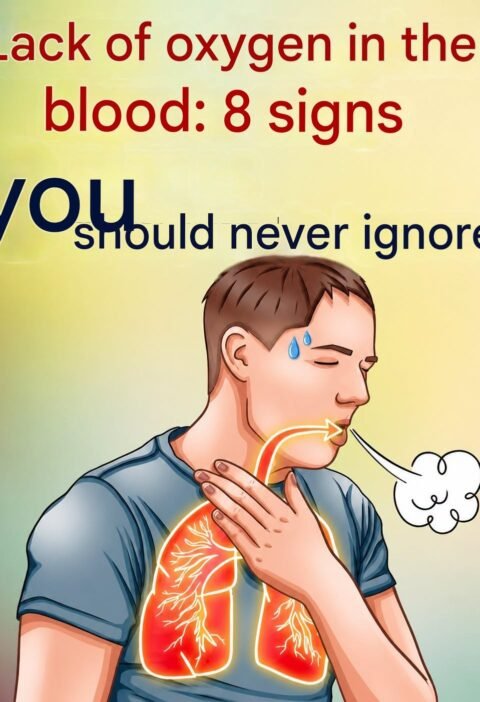
If you or someone near you is experiencing symptoms of a heart attack (such as severe chest pressure, tightness, pain radiating to the arm or jaw, cold sweats, nausea, or shortness of breath), take these proven, life-saving steps immediately:
-
Call Emergency Services (911 or your local emergency number) Right Away: Do not wait to see if the symptoms pass. Every minute counts.
-
Chew an Aspirin (If Not Allergic): If aspirin is available and you have no history of severe allergy or bleeding risks, chewing and swallowing an adult aspirin can help slow down blood clotting inside the narrowed coronary artery.
-
Sit Down and Rest: Stop all physical activity immediately, loosen any tight clothing, and stay as calm as possible to minimize the heart’s demand for oxygen.
-
Never Attempt to Drive Yourself: Do not get behind the wheel. Wait for emergency medical personnel to arrive.
Did you stumble across one of these viral videos online, or are you looking up safety guidelines to be prepared for an emergency?