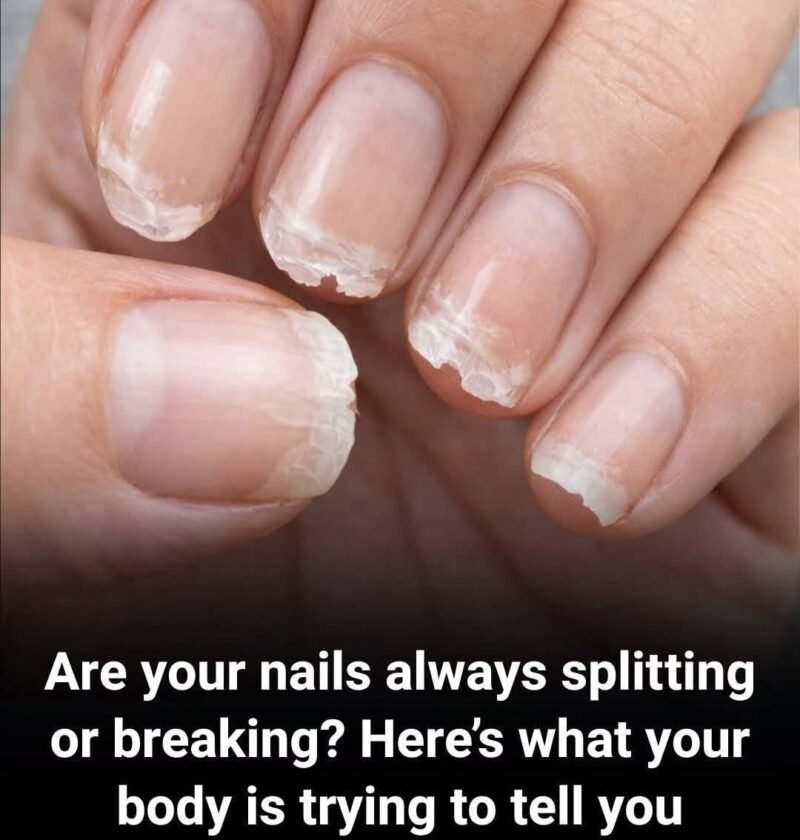
Weak or brittle nails are more than just a cosmetic nuisance—they are often a physical window into your overall health, nutritional status, and daily habits. When your nails start splitting, peeling, or breaking easily, your body is usually sending a signal that something is out of balance.
Here is a breakdown of what weak or brittle nails can tell you about your health, categorized into common causes:
1. Nutritional Deficiencies
Your nails are made of a tough protein called keratin, and growing them requires a steady supply of vitamins and minerals. A lack of specific nutrients is one of the most frequent culprits behind weak nails:
-
Iron Deficiency (Anemia): Low iron can cause nails to become thin, brittle, and sometimes take on a concave, “spoon-shaped” appearance (koilonychia).
-
B Vitamins (Especially Biotin): Biotin (Vitamin B7) plays a direct role in keratin production. A deficiency often leads to soft, splitting nails.
-
Zinc: Zinc is essential for cell growth and protein synthesis. Low levels can lead to white spots on the nails, slowed growth, and brittleness.
-
Protein: Since nails are entirely protein, a diet chronically low in protein can severely weaken them.
2. Dehydration and Dryness
Just like skin and hair, nails need moisture to maintain flexibility.
-
External factors: Frequent hand-washing, exposure to harsh household cleaning chemicals, prolonged contact with water, or frequent use of acetone-based nail polish removers strip the natural oils and moisture right out of the nail plate.
-
Internal factors: Chronic dehydration (not drinking enough water throughout the day) makes nails dry, brittle, and prone to snapping.
3. Aging and Natural Wear
As we age, the body’s natural cell turnover slows down, and moisture retention decreases. It is entirely normal for fingernails and toenails to become drier, ridges to form vertically, and nails to become more brittle over time.
4. Thyroid Imbalances
Your thyroid gland regulates your body’s metabolism, temperature, and moisture balance. Both hypothyroidism (an underactive thyroid) and hyperthyroidism (an overactive thyroid) can disrupt nail growth, leading to dry, brittle, thick, or easily cracked nails that grow very slowly.
5. Fungal Infections (Onychomycosis)
If brittleness is accompanied by discoloration (yellow, brown, or white patches), thickening of the nail, a crumbly texture, or a foul odor, the cause may be a fungal infection rather than just a nutritional issue.
Simple Ways to Strengthen Your Nails
-
Protect your hands: Wear rubber gloves when doing dishes or handling harsh cleaning chemicals.
-
Moisturize regularly: Apply a rich hand cream, cuticle oil, or petroleum jelly to your nails and cuticles daily—especially right after washing your hands.
-
Upgrade your remover: Switch to an acetone-free nail polish remover.
-
Nourish from within: Focus on a balanced diet rich in lean proteins, leafy greens, nuts, seeds, and healthy fats. Consult a doctor before taking supplements like biotin or iron to ensure you actually need them.
When to see a doctor: If your brittle nails are accompanied by persistent fatigue, unexplained hair loss, extreme cold intolerance, or severe changes in nail shape and color, it is a good idea to consult a healthcare provider for blood work to check for underlying conditions like anemia or thyroid issues.
Are you noticing any other symptoms alongside your brittle nails, or would you like tips on specific dietary changes to support nail and hair health?