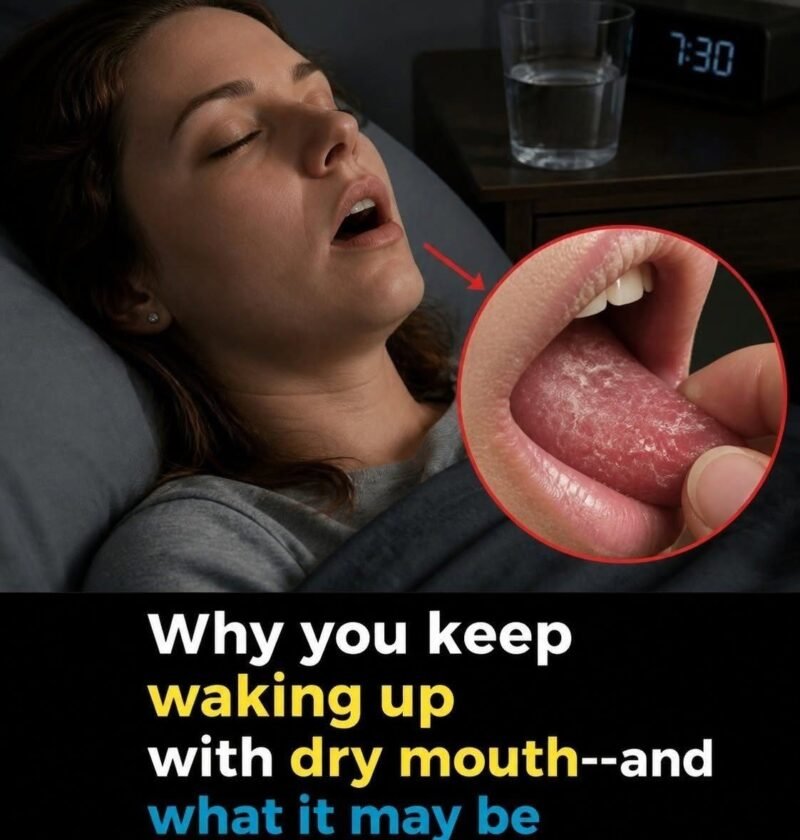
Waking up with a parched, sticky mouth is a surprisingly common experience. While it is completely normal for your body to dial down saliva production while you sleep, waking up feeling like you swallowed dust can be a signal from your body about your environment, habits, or health.
Here is what your body might be trying to tell you:
1. “You’ve Been Breathing Through Your Mouth All Night”
The most frequent culprit behind morning dry mouth isn’t a lack of hydration—it’s airflow.
-
The Cause: If you have nasal congestion from allergies, a deviated septum, a cold, or chronic snoring, your body naturally shifts to mouth breathing while you sleep. The constant passage of air over your tongue and oral mucosa rapidly evaporates the little moisture that is there.
-
Sleep Apnea Connection: Persistent mouth breathing and snoring can also be signs of obstructive sleep apnea (OSA), a condition where breathing repeatedly stops and starts during the night.
2. “Your Environment is Too Dry”
External factors can actively pull moisture from your body while you rest.
-
The Cause: Sleeping in a bedroom with low humidity—whether due to winter heating, air conditioning, or a naturally dry climate—dries out the air you inhale, leaving your nose and mouth dehydrated by morning.
3. “Your Evening Habits are Dehydrating You”
What you consume in the hours leading up to bedtime heavily influences how you feel when the alarm goes off.
-
The Cause: Alcohol, salty late-night snacks, and caffeinated beverages can act as diuretics or increase systemic dehydration. Alcohol also relaxes the muscles in your throat, worsening snoring and mouth breathing.
4. “Your Medication is Drying Up Your Salivary Glands”
Hundreds of prescription and over-the-counter medications list dry mouth (xerostomia) as a primary side effect.
-
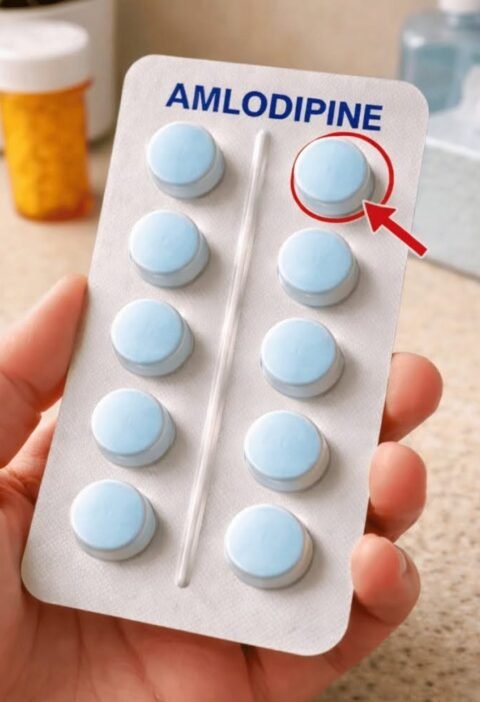
The Cause: Common culprits include antihistamines, decongestants, blood pressure medications, muscle relaxants, and certain antidepressants or anxiety drugs. If you take these medications right before bed, their impact peaks while you sleep.
5. “An Underlying Health Condition Needs Attention”
When morning dry mouth happens consistently day after day, it can point to a medical issue that requires management:
-
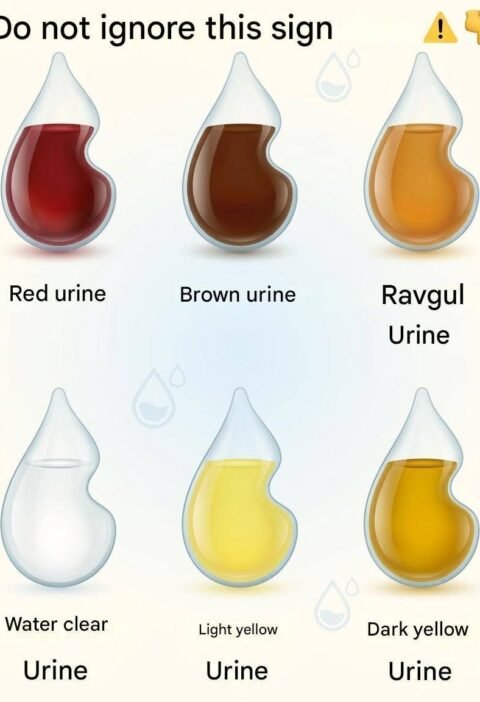
Diabetes: Chronically high blood sugar levels can lead to frequent urination and systemic dehydration, which directly reduces saliva flow.
-
Autoimmune Conditions: Diseases like Sjögren’s syndrome cause the immune system to mistakenly attack moisture-producing glands, including the salivary and tear glands.
What You Can Do
If morning dry mouth is an occasional nuisance, simple adjustments can provide relief:
-
Keep a glass of water by your bed for regular sips.
-
Run a cool-mist humidifier in your bedroom to add moisture back into the air.
-
Shift your medication timing (with your doctor’s approval) to earlier in the day if a prescription is causing the dryness.
-
Practice good oral hygiene; because saliva protects your teeth from decay, a chronically dry mouth makes you more vulnerable to cavities.
Note: If your dry mouth is persistent, severe, or accompanied by symptoms like chronic daytime fatigue, morning headaches, or difficulty swallowing, it’s a good idea to consult your primary care doctor or a dentist to rule out sleep apnea or other underlying medical conditions.