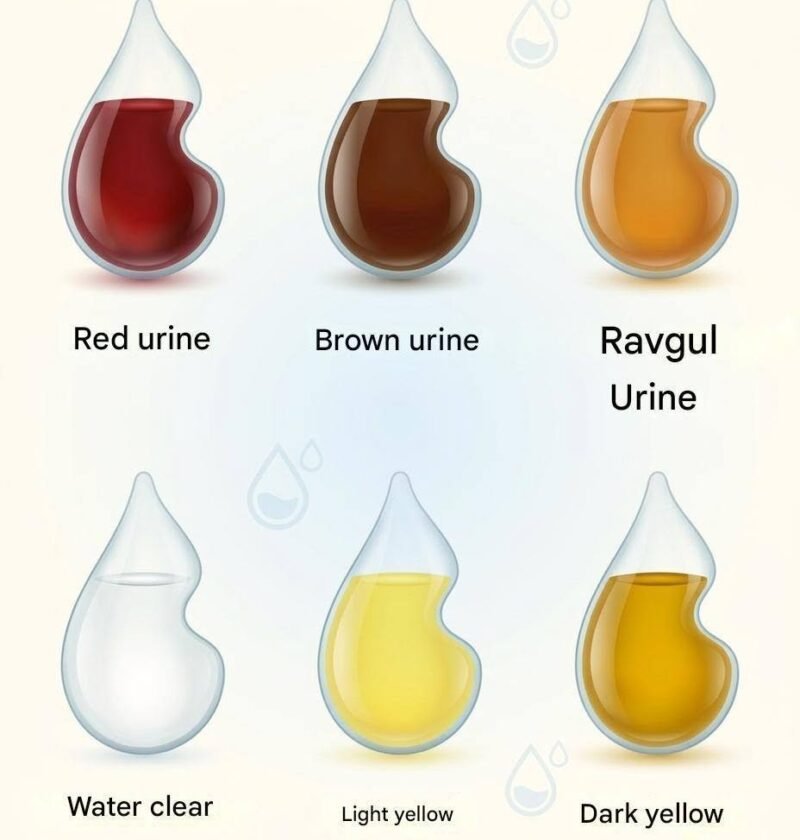
The color of your urine is a helpful, real-time indicator of your hydration levels and overall health. Changes can range from simple dietary shifts to underlying medical conditions.
Here is what different urine colors typically mean:
1. Transparent / Clear
-
What it means: You are over-hydrated.
-
Details: While drinking water is healthy, drinking excessive amounts in a short period can dilute essential electrolytes in your body. You can safely cut back slightly on your fluid intake.
2. Pale Straw to Transparent Yellow (The Ideal Range)
-
What it means: You are well-hydrated.
-
Details: This is the sweet spot. It means your body has a healthy balance of water and waste products.
3. Dark Yellow to Amber / Honey
-
What it means: You are dehydrated.
-
Details: Your body is holding onto water to prevent further fluid loss, causing your urine to become more concentrated. It is time to drink a glass of water.
4. Brown Ale / Dark Orange / Cola-Colored
-
What it means: Severe dehydration, or potentially liver issues (such as hepatitis or bile duct blockage).
-
Details: If drinking plenty of water doesn’t clear this up within a day—especially if it is accompanied by pale stools or yellowing of the skin/eyes (jaundice)—you should consult a healthcare provider.
5. Pink to Red or Brownish-Red
-
What it means: Blood in the urine (hematuria), or the result of certain foods or medications.
-
Details:
-
Dietary/Meds: Eating beets, blackberries, rhubarb, or taking certain laxatives can cause this harmlessly.
-
Medical: If you haven’t eaten these foods, red urine can indicate a urinary tract infection (UTI), kidney stones, or issues with the prostate or bladder. See a doctor to rule out underlying causes.
-
6. Neon Orange
-
What it means: Medication side effects or heavy intake of vitamin B-complex supplements.
-
Details: Excess B vitamins (especially riboflavin) and certain medications (like the antibiotic rifampin or specific anti-inflammatory drugs) frequently turn urine bright orange or yellow-orange.
7. Blue or Green
-
What it means: Rare genetic conditions, specific medications, or food dyes.
-
Details: Certain medications (like propofol or amitriptyline), blue food coloring, or rare medical conditions (such as familial hypercalcemia, or “blue diaper syndrome”) can cause this surprising hue.
When to See a Doctor:Temporary changes due to food or hydration are normal. However, seek medical attention if you notice persistent cloudy urine, foul-smelling urine, visible blood, or if unusual urine color is accompanied by pain, fever, nausea, or swelling.
Are you noticing a specific color change right now, or looking into this for a particular symptom?