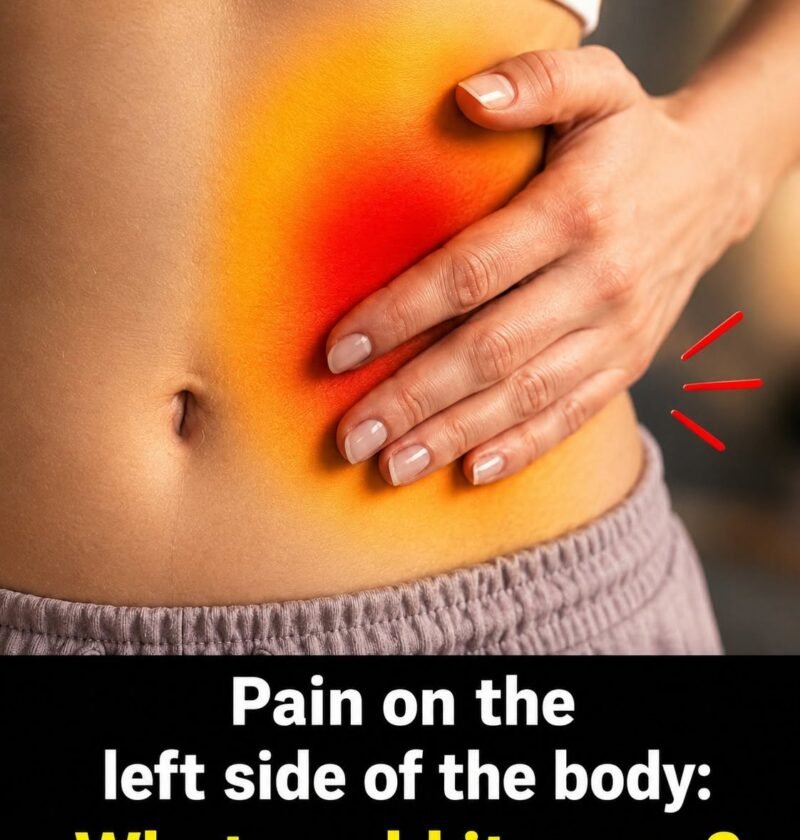
Pain on the left side of the body can stem from a wide range of causes, varying from simple muscle strain to conditions requiring immediate medical evaluation. Because the left side houses vital organs like the heart, spleen, and part of the pancreas, it is helpful to understand what might be happening and when to seek urgent care.
Potential Causes by Area
Depending on where you feel the discomfort, different structures and organs may be involved:
-
Left-Sided Chest Pain:
-
Cardiac: Angina, heart attack (myocardial infarction), pericarditis, or myocarditis.
-
Pulmonary: Pleurisy, pneumonia, pulmonary embolism, or a collapsed lung (pneumothorax).
-
Gastrointestinal: Acid reflux (GERD), esophageal spasms, or gastritis.
-
Musculoskeletal: Costochondritis (inflammation of the cartilage connecting ribs to the breastbone) or strained chest muscles.
-
-
Left Upper Abdominal & Flank Pain:
-
Splenic Issues: An enlarged or ruptured spleen.
-
Gastric/Pancreatic: Gastric ulcers, pancreatitis, or indigestion.
-
Renal: Left kidney stones or a kidney infection (pyelonephritis).
-
-
Left Lower Abdominal Pain:
-
Gastrointestinal: Diverticulitis (inflammation of small pouches in the colon), constipation, or gas.
-
Gynecological (for women): Left ovarian cysts or endometriosis.
-
-
Left Arm, Shoulder, or Leg Pain:
-
Nerve/Musculoskeletal: Pinched nerves (cervical radiculopathy), rotator cuff injuries, arthritis, or deep vein thrombosis (DVT) in the leg.
-
Referred Pain: Sometimes heart or gallbladder issues manifest as pain radiating down the left arm or shoulder.
-
Red Flags: When to Seek Immediate Emergency Care
Certain symptoms combined with left-sided pain—particularly in the chest, upper abdomen, jaw, neck, or left arm—demand immediate emergency medical attention (call 911 or your local emergency number):
-
Crushing, pressure, squeezing, or tightness in the chest
-
Pain radiating to the left arm, shoulder, back, neck, or jaw
-
Shortness of breath or difficulty breathing
-
Sudden cold sweats, lightheadedness, dizziness, or fainting
-
Nausea or vomiting accompanying chest discomfort
-
Sudden weakness or numbness, especially on one side of the body
Non-Urgent Signs to Monitor
If your pain is mild, dull, or clearly linked to physical activity (like lifting heavy objects) and is not accompanied by any red-flag symptoms, you can often monitor it at home for a short period. However, you should still schedule an appointment with a healthcare provider if:
-
The pain persists for more than a few days or worsens over time.
-
It interferes with your daily activities or sleep.
-
You experience recurring digestive discomfort or unexplained weight loss.
Disclaimer: This information is for educational purposes only and should not replace professional medical advice, diagnosis, or treatment. If you are ever unsure about the severity of your symptoms, always err on the side of caution and consult a healthcare professional.
Are you experiencing any other symptoms along with the pain, or is there a specific area of your body where the pain is most noticeable?