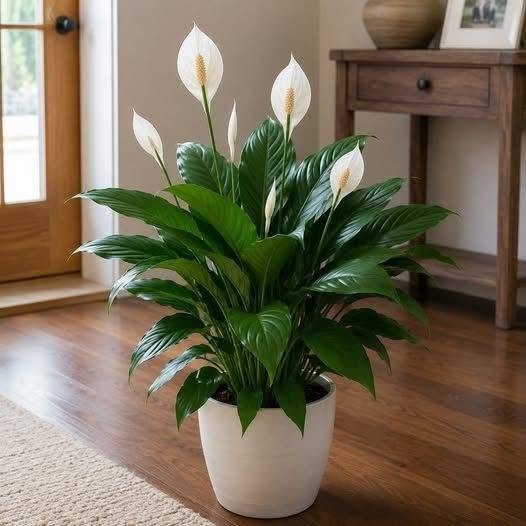
The popular “1-cup trick” circulating for making peace lilies burst into blooms usually refers to rice water (or occasionally a diluted milk/nutritional tonic). While viral plant hacks make dramatic promises, a simple kitchen staple can genuinely give your peace lily a helpful micronutrient boost.
Here is a look at what the 1-cup trick is, how to use it safely, and the core fundamentals actually required to turn an “ugly,” stubborn peace lily into a blooming centerpiece.
The 1-Cup Kitchen Trick: How to Use Rice Water
Starch-rinsed or leftover unseasoned rice water contains trace amounts of starches, B vitamins, and minerals like magnesium and potassium that feed beneficial soil microbes and support plant energy.
-
The Recipe: Take 1 cup of uncooked, unseasoned rice and rinse or soak it in water (or blend a small amount of rice flour with water). Strain out the milky-white liquid.
-
The Application: Pour 1 cup of this natural tonic over the soil once a month during the active growing season (spring and summer).
-
Crucial Rule: Never use rice water that has salt, oil, or seasonings in it, and do not overdo it. Using organic starches too frequently can cause fungus gnats, sour the soil, or attract pests.
Why is Your Peace Lily “Ugly” or Refusing to Bloom?
Peace lilies are tough, but when they stop flowering, turn pale, or look droopy, they are usually lacking one of four environmental essentials:
-
Not Enough Bright, Indirect Light: This is the #1 reason peace lilies stay green and refuse to flower. While they tolerate low-light offices, they need bright, indirect sunlight (like near an east-facing window) to trigger the energy required for blooms.
-
Rootbound Stress or Old Soil: If your plant hasn’t been repotted in years, the soil may be completely compacted and devoid of nutrients.
-
Inconsistent Watering: Peace lilies are dramatic; they droop entirely when dry, but chronic underwatering or soggy, poorly draining soil damages their root systems, halting flower production.
-
Chemical Sensitivity: Peace lilies are sensitive to the fluoride and chlorine often found in tap water, which can cause brown tips on the leaves.
The Real Blueprint to Make a Peace Lily Flourish
-
Adjust the Lighting: Move your plant closer to a natural light source, but keep it out of direct, harsh sun rays, which will scorch the leaves.
-
Flush and Refresh: If the soil is old and crusty, consider gently repotting it into a fresh, well-draining potting mix enriched with a little compost or worm castings.
-
Mind Your Watering Routine: Let the top inch or two of the soil dry out before watering thoroughly, and if possible, use filtered or left-out tap water (let it sit overnight so chlorine evaporates).
-
Prune the “Ugly” Growth: Use clean shears to snip off completely yellow, damaged, or dead leaves right at the base. This redirects the plant’s energy into pushing out fresh, vibrant foliage and white spathes (flowers).
Is your peace lily currently struggling with drooping stems, brown leaf tips, or just stubborn green leaves with no flowers?