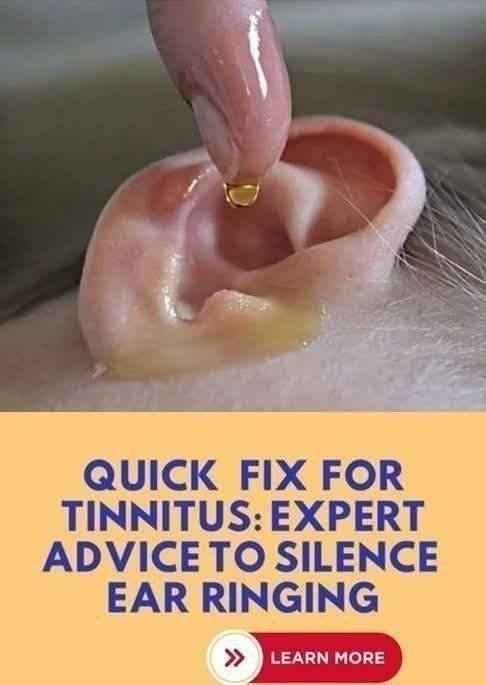
Important Medical Notice: Be extremely cautious of advertisements or home remedies claiming that ear drops can magically restore hearing overnight. Hearing loss can stem from many different causes—ranging from simple earwax buildup to issues with the eardrum, middle ear bones, or the inner ear (nerve damage).
Putting random liquids, oils, or unverified drops into your ear can be dangerous, especially if you have an undiagnosed perforated (torn) eardrum or an active infection.
What You Should Know About Ear Drops and Hearing Loss
-
Earwax Blockage: If your hearing loss is purely caused by a physical blockage of impacted earwax (cerumen), specific softening drops (like mineral oil or commercial wax softeners) can help loosen it so a doctor can safely remove it. However, they do not “restore hearing” magically; they simply clear a physical obstruction.
-
Infections and Pain: Putting drops in an infected or perforated ear can cause severe pain, worsen an infection, or even lead to permanent damage.
-
Other Causes: If hearing loss is due to aging, noise exposure, nerve damage, or fluid behind the eardrum, ear drops will have no effect at all.
Safe Next Steps
-
Consult a Professional: Schedule an appointment with a primary care doctor or an Ear, Nose, and Throat (ENT) specialist (otolaryngologist). They can look inside your ear with an otoscope to see if it is simply wax or something that requires medical treatment.
-
Avoid Q-Tips and Random Remedies: Do not insert cotton swabs (Q-tips), hairpins, or unverified oils/drops into your ear canal, as this can push wax deeper or cause injury.
Have you noticed any other symptoms along with the hearing change, such as pain, ringing (tinnitus), dizziness, or a feeling of fullness in the ear?