What Actually Happens to Your Body After Gallbladder Removal?
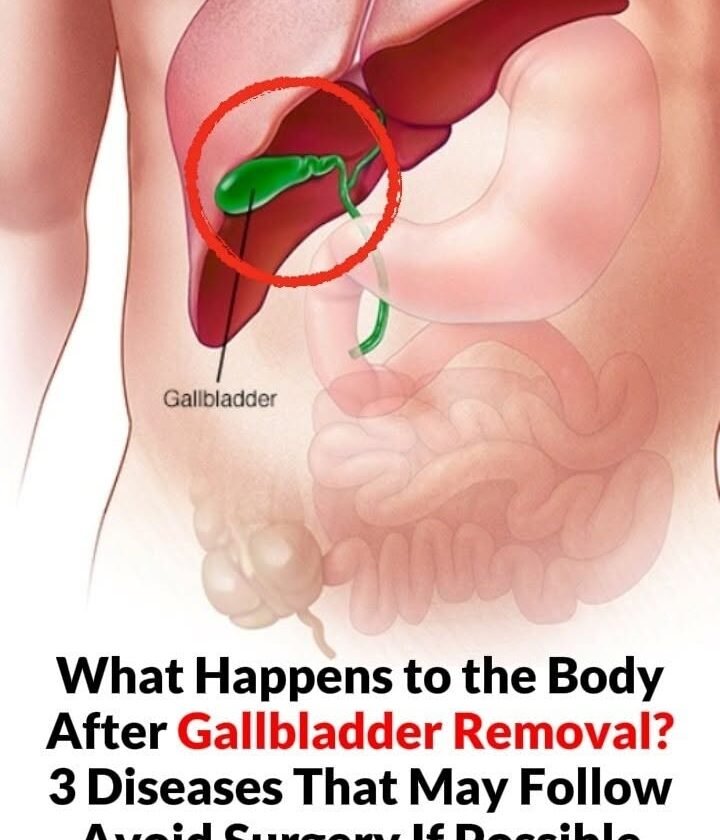
The gallbladder stores bile, a fluid produced by the liver that helps digest fats. After removal, the liver continues producing bile, which flows directly into the intestine. Most people can live normally without a gallbladder.
Three possible problems after surgery
-
Bile acid diarrhoea: Some people develop persistent loose stools because bile acids irritate the colon. Treatment and dietary adjustments can help.Mayo Clinic+1
-
Ongoing digestive symptoms: Bloating, indigestion, or abdominal pain may persist. Sometimes another digestive condition is responsible, rather than the operation itself.nhs.uk+1
-
Bile duct complications: Rarely, stones left in the bile ducts, bile leakage, or duct injury can cause pain, infection, or jaundice.nhs.uk+1
Is It Better to Avoid Surgery?
It depends on whether your gallstones are causing symptoms or complications.
-
If gallstones are discovered accidentally and cause no symptoms, surgery is often unnecessary.NIDDK+1
-
If you have repeated painful attacks, surgery is usually the standard treatment.
-
If the gallbladder is acutely inflamed or a stone is causing a serious blockage, delaying treatment can be dangerous.NIDDK+1
For selected patients, medication to dissolve certain cholesterol stones may be an option, but it works slowly and stones can return. It is not a reliable substitute for surgery in every case.
Seek urgent medical attention for severe or persistent abdominal pain, fever, repeated vomiting, or yellowing of the skin or eyes.
One important question: Have you already been diagnosed with gallstones, and are you experiencing pain after meals? Or has a surgeon recommended gallbladder removal even though you have no symptoms? The answer makes a significant difference to whether avoiding surgery is reasonable.