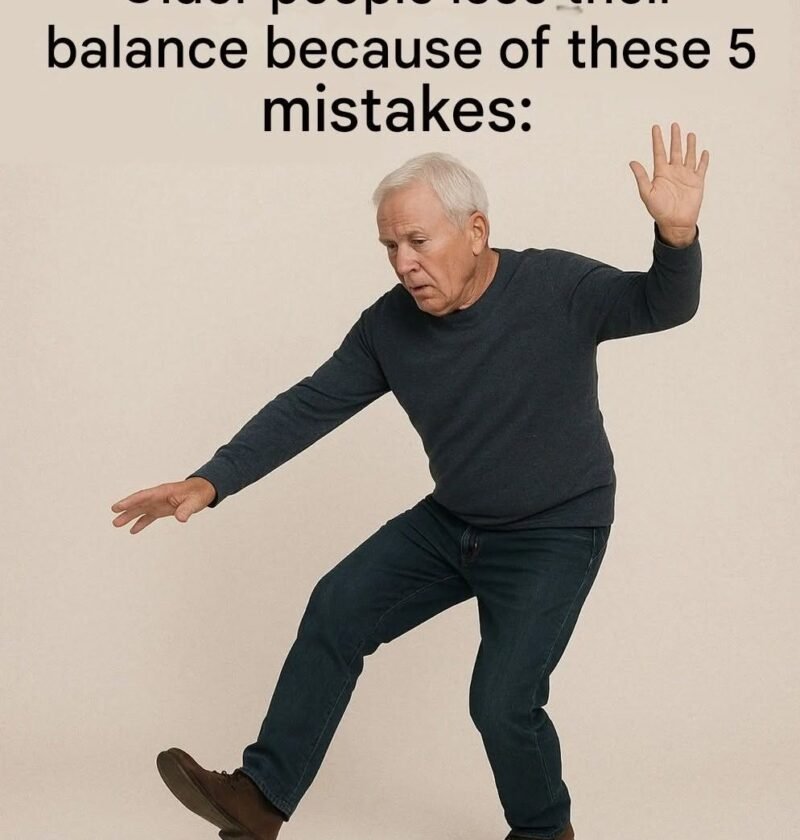
Maintaining balance and stability is vital as we age, but a mix of physical changes, lifestyle habits, and environmental factors can quietly increase the risk of trips and falls. While clickbait articles often sensationalize everyday habits, balance experts and geriatric specialists point to several genuine, common missteps that compromise stability in older adults.
Here are 5 common mistakes that can cause older people to lose their balance, along with practical ways to prevent them:
1. Stopping Exercise or Avoiding Physical Activity Out of Fear
-
The Mistake: Many older adults worry that exercising or walking will cause a fall, so they become largely sedentary. Unfortunately, inactivity leads to rapid muscle atrophy—especially in the legs, hips, and core—and weakens the proprioceptive system (the body’s ability to sense its position in space).
-
The Fix: Incorporate safe, low-impact strength and stability exercises. Simple movements like chair stands, heel-to-toe walking, and resistance band work rebuild the lower-body strength needed to catch yourself if you stumble.
2. Wearing Unsupportive, Ill-Fitting, or Thick-Soled Footwear
-
The Mistake: Walking around the house in slippery socks, worn-out slippers with no grip, or high heels/thick platform shoes outside reduces tactile feedback from the feet. If your feet can’t properly “feel” the floor, your brain receives delayed signals about your balance.
-
The Fix: Wear supportive, flat-soled shoes with non-skid rubber treads both inside and outside the home. Look for shoes with a snug heel fit and a wide toe box.
3. Ignoring Vision and Hearing Changes
-
The Mistake: Brushing off declining eyesight or untreated hearing loss as a normal part of aging. Vision is critical for spatial orientation, but many people don’t realize that the inner ear houses both our hearing apparatus and our primary vestibular balance center. Hearing loss has been directly linked in studies to a significantly higher risk of falls.
-
The Fix: Schedule regular annual eye exams (checking for cataracts, glaucoma, or outdated prescriptions) and get your hearing tested. Ensure your home lighting is bright, especially in hallways, stairwells, and bathrooms.
4. Overlooking Medication Side Effects (Polypharmacy)
-
The Mistake: Taking multiple medications without reviewing how they interact. Many common drugs—including blood pressure medications (which can cause sudden drops in blood pressure when standing), sedatives, antihistamines, and antidepressants—can cause dizziness, drowsiness, blurred vision, or unsteady gait.
-
The Fix: Have a primary care doctor or pharmacist conduct a regular “brown bag” medication review to check for drugs that increase fall risks and explore safer dosing or alternatives.
5. Cluttered Home Environments and Rushed Movements
-
The Mistake: Navigating homes with hidden hazards (like loose throw rugs, stray electrical cords, or poor lighting) combined with rushing to answer the phone or door. In older age, multitasking while walking dramatically increases the risk of a misstep.
-
The Fix: Remove loose area rugs or secure them with heavy-duty double-sided tape, clear pathways of clutter, install grab bars in the bathroom, and practice mindful pacing—making a conscious effort not to rush when transitioning from sitting to standing or walking.
A Quick Balance Check:A simple test for baseline stability is the Single-Leg Stance Test: near a sturdy counter or wall for safety, try standing on one leg for 10 seconds without holding on. If you find this very difficult, it may be worth discussing balance training or physical therapy with your healthcare provider.
Are you or a loved one looking for ways to improve stability, or putting together a home safety checklist?