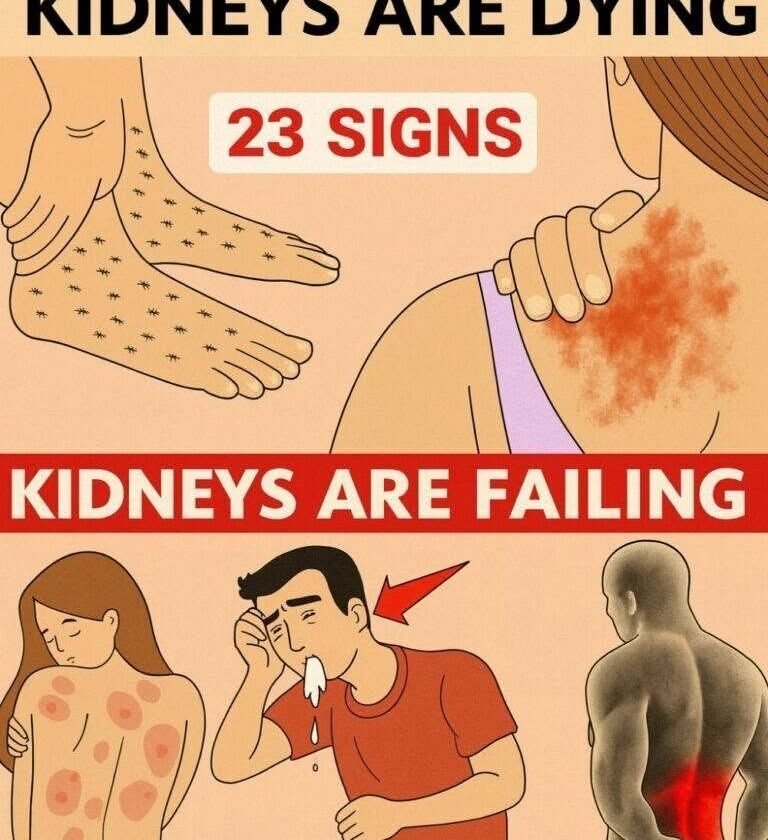
When people think of kidney trouble, they usually picture lower back pain or changes in bathroom habits. However, because your kidneys filter your blood, balance your body’s chemistry, and help regulate blood pressure, declining kidney function can manifest in some surprisingly unusual, whole-body ways.
While listicles online often aggregate 20 or more subtle or “strange” clinical markers associated with advanced or chronic kidney disease (CKD), they generally fall into distinct categories of unusual physical changes.
Here is a breakdown of the stranger and less-expected signs that your kidneys might be struggling, grouped by how they affect the body:
1. Unusual Skin and Nail Changes
Your skin and nails often reflect internal chemical imbalances caused by a buildup of waste products (uremia) or mineral disruptions.
-
Persistent, Unrelieved Itching (Pruritus): When kidneys fail to remove excess phosphorus and toxins, mineral and bone disease sets in, causing deep, maddening skin itching that doesn’t improve with lotions.
-
“Half-and-Half” Nails (Lindsay’s Nails): A striking visual sign where the bottom half of the fingernails appears white and the top half appears dark/brownish-red.
-
Uremic Frost: In severe, advanced cases, heavy urea buildup in the sweat can crystallize on the skin surface, leaving a fine, powdery, frost-like white residue.
-
Calcinosis Cutis: Small, hard, chalky white bumps or deposits under the skin caused by abnormal calcium and phosphorus accumulation.
-
Easily Bruised Skin: Chronic kidney issues can alter platelet function or cause overall dermal thinning, making your skin bruise or tear with minimal trauma.
2. Strange Oral and Taste Sensations
A compromised filtering system alters how your body processes protein and metabolizes food chemicals.
-
A Persistent Metallic Taste: Food may suddenly taste like metal (often described as tasting like a coin), or you may completely lose your taste for meat because urea builds up in the bloodstream.
-
Ammonia-Like Breath (Uremic Fetor): Because urea breaks down into ammonia in the saliva, your breath can take on a distinct, pungent, urine- or ammonia-like smell.
3. Neurological and Sensory Quirks
Toxins that aren’t filtered out properly can irritate nerves and affect brain chemistry.
-
“Brain Fog” and Difficulty Concentrating: A buildup of toxins and the anemia caused by low hormone production (erythropoietin) can make it hard to focus, remember things, or stay alert.
-
Restless Leg Syndrome (RLS): An overwhelming, uncomfortable urge to move your legs—especially at night or when resting—is heavily correlated with advanced kidney disease and toxin accumulation.
-
Unexplained Muscle Cramps: Severe electrolyte imbalances (specifically involving calcium, phosphorus, and sodium) frequently trigger painful, sudden muscle cramps, particularly in the calves and feet.
4. Odd Fluid and Urinary Presentation
Aside from basic changes in frequency, the physical appearance of waste and fluid retention can be quite specific:
-
Excessively Foamy Urine: If your urine looks like scrambled egg foam or requires multiple flushes to clear, it usually points to albuminuria—meaning your damaged kidney filters are leaking large amounts of protein.
-
Periorbital Edema (Puffy Eyes): Waking up with intense, swollen puffiness around your eyes is a classic hallmark of protein leakage, distinct from normal morning grogginess.
-
“Meat-Wash” or Dark Urine: Urine that looks pink, brown, or like the cloudy water left over from rinsing raw meat indicates that red blood cells are leaking through compromised filters.
5. Systemic and Temperature Anomalies
-
Feeling Constantly Freezing: Anemia (low red blood cell count due to lack of the kidney hormone EPO) robs your tissues of oxygen, frequently leaving people feeling intensely cold even in warm rooms.
-
Shortness of Breath on Minimal Exertion: This can happen for two reasons: anemia starves your body of oxygen, or fluid backs up into your lungs because the kidneys can no longer manage fluid volume.
-
Unexplained Bone or Joint Pain: Because healthy kidneys activate vitamin D and regulate calcium/phosphorus balance, failing kidneys can pull minerals directly out of your bones, weakening them and causing deep bone aches.
What Should You Do?
It is important to note that many of these signs can overlap with other common conditions (like diabetes, thyroid issues, or vitamin deficiencies). However, if you are experiencing a cluster of these unusual symptoms—particularly changes in urination, persistent fatigue, or swelling—the safest and most direct step is to consult a primary care doctor.
A simple routine blood test checking your serum creatinine / eGFR and a basic urine test can quickly determine how well your kidneys are filtering.
Are you or someone you know currently noticing any specific changes, or looking into this for a particular reason?