While Vitamin D is essential for bone health, immune function, and overall wellness, it is a fat-soluble vitamin. Unlike water-soluble vitamins, excess amounts are stored in your body’s fat tissues rather than flushed out in your urine, making Vitamin D toxicity (hypervitaminosis D) possible if supplements are overused.
The following 4 warning signs indicate you may be taking too much Vitamin D:
1. Digestive Distress (Nausea, Vomiting, and Poor Appetite)
Excessively high levels of Vitamin D lead to hypercalcemia—an abnormally high concentration of calcium in your blood.
-
The Sign: Unexplained bouts of nausea, frequent vomiting, or a sudden loss of appetite.
-
Why it happens: The surge in blood calcium upsets normal gastrointestinal functioning, leading to persistent stomach upset and abdominal discomfort.
2. Frequent Urination and Excessive Thirst
Because your blood calcium levels are elevated, your kidneys have to work much harder to filter and process the excess mineral.
-
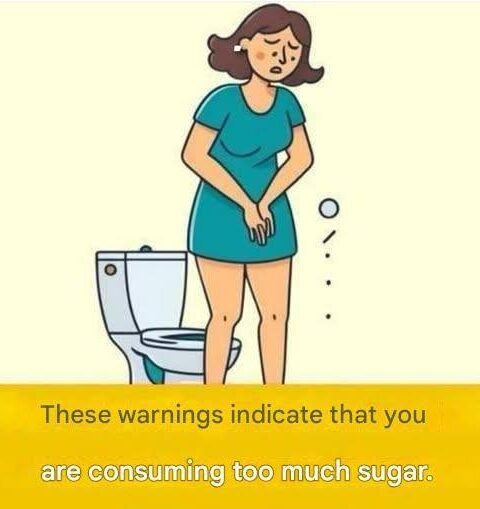
The Sign: Needing to urinate far more frequently than usual (polyuria) and experiencing intense, unquenchable thirst (polydipsia).
-
Why it happens: Your kidneys pull extra water from your body to help flush out the surplus calcium, leaving you dehydrated and constantly running to the restroom.
3. Fatigue, Dizziness, and Brain Fog
Hypercalcemia alters the way your nervous system and brain communicate, leading to systemic physical and mental exhaustion.
-
The Sign: Deep, persistent fatigue, a feeling of overall weakness, dizziness, or difficulty concentrating.
-
Why it happens: The nervous system becomes overwhelmed by high calcium levels, dampening neurological signaling and causing you to feel constantly drained or mentally “foggy.”
4. Bone Pain and Muscle Weakness
Ironically, while Vitamin D is meant to strengthen bones, too much of it can actually have the opposite effect.
-
The Sign: Aching or soreness in your bones, coupled with muscle weakness or cramps, particularly in your extremities.
-
Why it happens: Severe hypercalcemia disrupts normal bone remodeling and calcium balance, leaching minerals where they shouldn’t be and weakening muscle function.
What to Do Next: Vitamin D toxicity is almost always caused by high-dose supplements, not by diet or sun exposure. If you suspect you are experiencing symptoms of oversupplementation, stop taking the supplement and consult a healthcare professional. A simple 25-hydroxyvitamin D blood test can safely check your levels