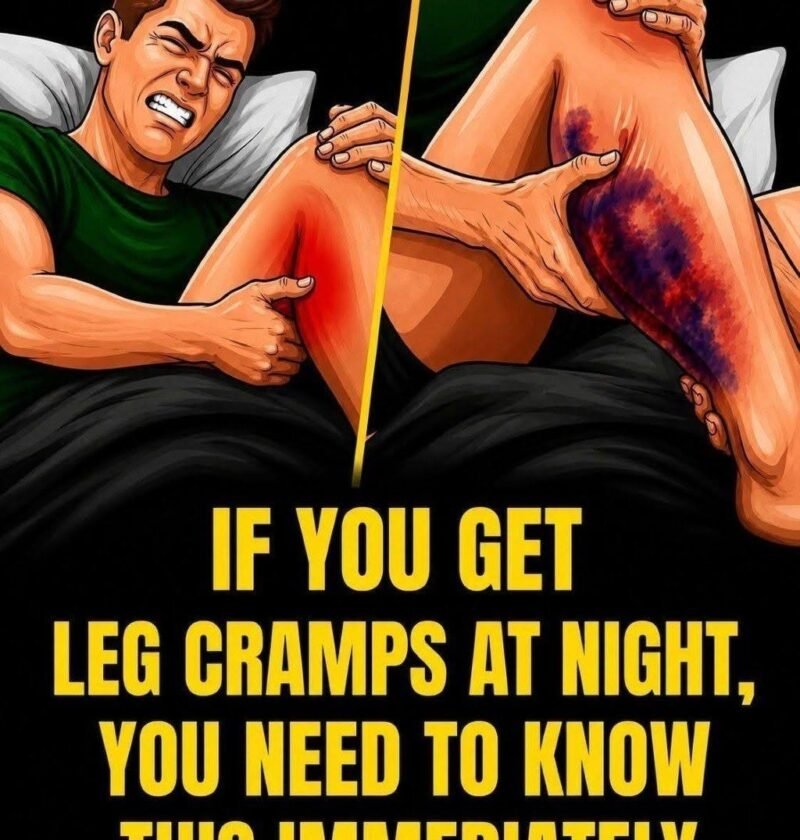
Waking up to the sudden, agonizing knot of a nighttime leg cramp is an experience few forget. While they usually pass within a few minutes, the residual soreness can linger, and the disrupted sleep takes a toll.
While most nocturnal leg cramps are harmless and “idiopathic” (occurring with no clear cause), they shouldn’t always be brushed off as just a weird quirk of sleep. Here is a breakdown of what you should know about why they happen, how to find relief, and when to look closer.
Why Do Nighttime Leg Cramps Happen?
Experts still debate the exact mechanical trigger, but nocturnal cramps (most commonly hitting the calf muscles) are generally linked to a mix of nerve signaling, muscle fatigue, and lifestyle factors:
-
Muscle Fatigue & Overuse: Heavy exercise, standing for long shifts on hard surfaces, or prolonged sitting can exhaust your leg muscles, making them prone to erratic spasms.
-
Dehydration: Muscles require adequate fluids and electrolytes (like potassium, calcium, and magnesium) to contract and relax smoothly. When fluid levels drop, the system misfires.
-
The “Plantar Flexion” Sleep Position: Sleeping on your back or stomach with your toes pointed downward naturally shortens your calf muscles, making them much more vulnerable to sudden contractions.
-
Medications: Certain common prescriptions—such as diuretics (water pills), statins for cholesterol, and long-acting beta-agonists for asthma—are frequently associated with nocturnal cramps.
-
Underlying Health Conditions: Frequent cramps can sometimes flag systemic issues, including peripheral artery disease (PAD), nerve damage (like diabetic neuropathy), kidney or liver disease, or hormonal shifts during pregnancy.
Immediate Relief: What to Do When a Cramp Hits
When a cramp wakes you up, moving quickly can shorten its duration:
-
Stretch the Muscle: Straighten your leg and pull your toes upward toward your shin (dorsiflexion). Alternatively, use a towel wrapped around the ball of your foot to pull gently.
-
Stand Up and Walk: Getting out of bed and putting weight on the leg tells the nervous system to relax the muscle and helps restore circulation.
-
Massage and Heat: Use firm, circular pressure to massage the tight area. Follow up with a warm bath, heating pad, or warm compress to ease residual tightness.
Practical Ways to Prevent Them
If you want to stop waking up in pain, consistency is key:
-
Prioritize Hydration: Drink plenty of fluids throughout the day.
-
Incorporate Targeted Stretching: Do a simple 30-second calf stretch against a wall or bed each evening before going to sleep.
-
Loosen Your Bedding: Untuck heavy blankets or sheets at the foot of the bed so your feet aren’t forced into a downward-pointing position all night.
-
Support Your Electrolytes: Eat a balanced diet rich in potassium and magnesium (found in foods like bananas, leafy greens, yogurt, and nuts).
When to See a Doctor
While occasional cramps are normal, you should consult a healthcare provider if your cramps are frequent, severe, or worsening, or if they are accompanied by swelling, skin discoloration, or numbness in the legs. A doctor can evaluate whether an underlying condition or a current medication needs adjustment.
Do you notice these cramps happening after particularly active days, or do they seem to strike randomly throughout the week?