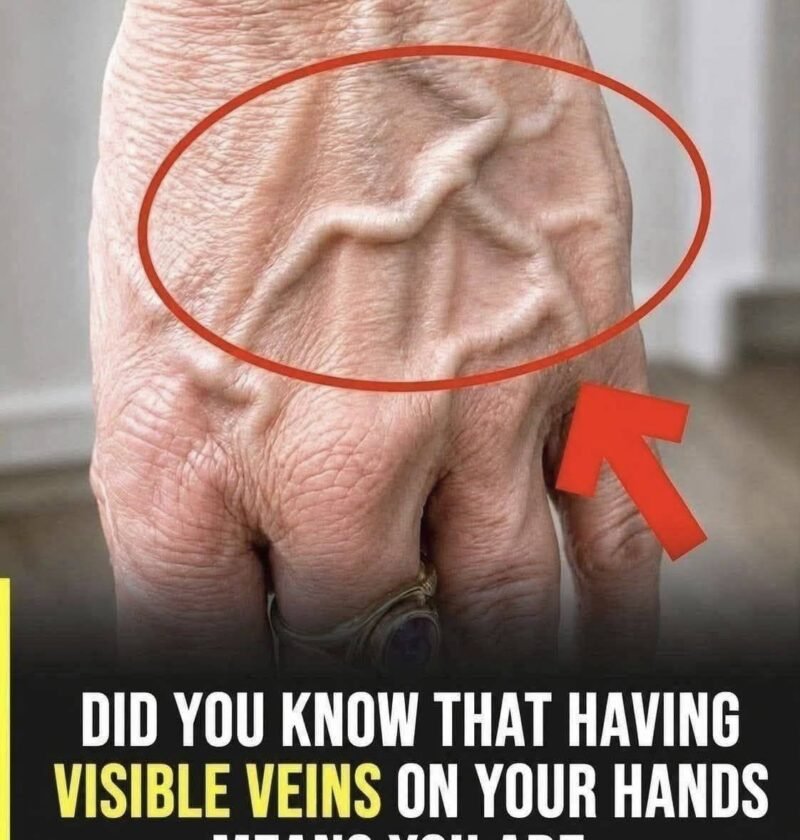
Having visible or prominent veins is extremely common and can mean a few different things depending on your body, lifestyle, and genetics. In most cases, it is completely harmless.
Having visible veins typically points to one of the following:
1. Low Body Fat or High Muscle Mass
If you are physically active, lift weights, or maintain a lean physique, your veins naturally stand out more. When body fat is low, there is less tissue padding between your skin and your blood vessels, making them much easier to see (often referred to as “vascularity”). Exercise also temporarily increases blood flow and blood pressure, causing veins to expand and pop out.
2. Natural Genetics and Fair Skin
Your genetics dictate how close your superficial veins sit to the surface of your skin and how thick your skin is. Additionally, people with lighter skin tones naturally tend to have veins that are more visible because light passes through the skin differently.
3. Natural Aging
As you get older, your skin gradually loses collagen and elasticity, and the thin layer of fat beneath the skin diminishes. This thinning process causes veins—especially on the hands, arms, and legs—to become much more prominent.
4. Temporary Environmental Factors
Things like hot weather, sun exposure, or wearing tight clothing can cause blood vessels to dilate or temporarily restrict blood flow, making veins more noticeable.
When to Pay Attention
While everyday visible veins are usually just a sign of fitness, aging, or genetics, you should consult a healthcare professional if your veins are suddenly bulging, twisted, painful, warm to the touch, or accompanied by swelling and skin discoloration. These can sometimes be signs of underlying circulation issues, such as chronic venous insufficiency or varicose veins.
Are you noticing visible veins in a specific area, like your hands or legs?