It is important to know a critical medical fact right away: High cholesterol is often called a “silent condition” because it typically has no symptoms at all.
Most people with elevated cholesterol feel entirely healthy and notice nothing unusual. Symptoms generally do not appear until the condition has progressed significantly, causing plaque buildup (atherosclerosis) that narrows the arteries and restricts blood flow to the heart, brain, or limbs.
However, when advanced or severe, high cholesterol and its downstream effects on circulation can manifest through specific warning signs:
1. Chest Pain or Pressure (Angina)
If plaque buildup restricts blood flow through the coronary arteries supplying the heart, it can cause tightness, pressure, or a squeezing sensation in the chest—especially during physical activity or stress.
2. Shortness of Breath
When reduced circulation prevents the heart and lungs from efficiently delivering oxygen during routine activities (like climbing stairs or walking), you may experience sudden or unexplained breathlessness.
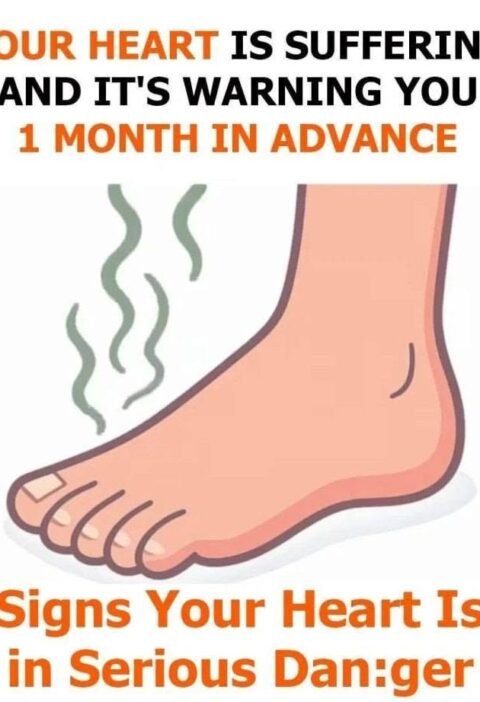
3. Pain, Cramping, or Coldness in the Legs (Peripheral Artery Disease)
If narrowed arteries reduce blood flow to the lower extremities, it can lead to aching, cramping, or fatigue in the legs and calves while walking, which typically eases with rest. You might also notice persistently cold feet or slow-healing sores on your legs.
4. Yellowish Fatty Deposits on the Skin (Xanthomas)
In cases of severe or inherited high cholesterol (such as familial hypercholesterolemia), excess lipids can deposit under the skin. These appear as yellowish, bump-like growths or nodules around the eyelids, elbows, knees, or tendons.
5. A Grey or White Ring Around the Eye (Corneal Arcus)
A distinct white, grey, or yellowish ring or arc visible around the outer edge of the cornea can sometimes indicate high lipid levels. While this can naturally occur with normal aging, seeing it at a younger age warrants a check-up.
Why Routine Screening Matters
Because high cholesterol is completely silent in its early and most treatable stages, waiting for physical symptoms is risky. The only definitive way to know your levels is through a simple routine blood test called a lipid profile.
Are you looking into cholesterol levels for a routine check-up, or are you or someone else experiencing any specific symptoms?