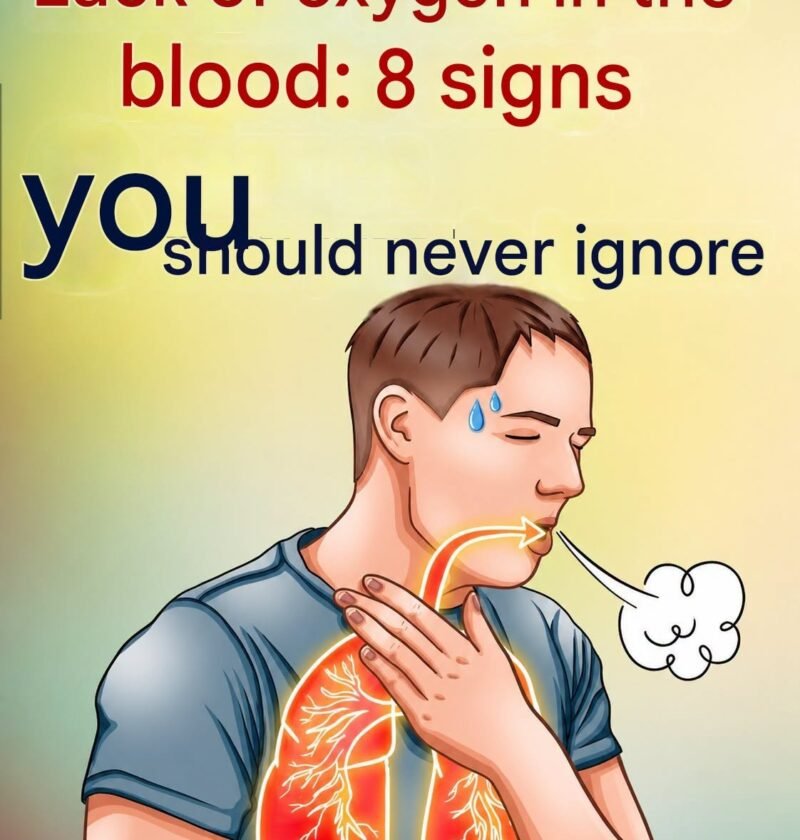
8 Warning Signs of Low Blood Oxygen Levels
Low blood oxygen, also called hypoxemia, occurs when there is not enough oxygen in the blood to supply the body’s organs and tissues properly. It can be caused by conditions affecting the lungs, heart, or circulation.
Low oxygen can sometimes become life-threatening. Do not rely on symptoms alone to judge oxygen levels, because some people have low oxygen without obvious warning signs.
Feeling unable to get enough air, even at rest or during light activity, can indicate a problem with oxygen supply.
This may indicate inadequate oxygen in the blood, particularly if the change appears suddenly. On darker skin, check the lips, gums, and nail beds.
Low oxygen can accompany serious heart or lung problems. New chest pain, especially with breathlessness, requires emergency assessment.
Reduced oxygen delivery or an underlying heart or circulation problem can cause dizziness or faintness.
Feeling unusually weak may occur with oxygen-related illness, although fatigue alone is not a reliable sign of low blood oxygen.
Inadequate oxygen can affect brain function, causing confusion, restlessness, or unusual behaviour.
The body may respond to an oxygen shortage by increasing breathing rate and heart rate. These signs can also have other causes.
Severe oxygen deprivation can cause reduced alertness or loss of consciousness. This is a medical emergency.
These warning signs are described in guidance from MedlinePlus and the NHS.
What Is a Normal Blood Oxygen Level?
A fingertip pulse oximeter measures oxygen saturation, known as SpO₂.
| SpO₂ reading | What it generally means |
|---|---|
| 95–100% | Typical range for most healthy adults |
| 93–94% | Recheck and seek prompt medical advice if persistent or below your usual level |
| 92% or lower | Seek urgent medical assessment |
| 88% or lower | Seek immediate medical attention |
These are general guidelines; people with chronic lung disease or other medical conditions may have different prescribed targets.
What Should You Do?
-
If you have severe breathing difficulty, blue or grey lips, chest pain, confusion, or fainting, seek emergency help immediately.
-
If using a pulse oximeter, warm your hand, keep still, and repeat an unexpected reading. The device can be inaccurate, and symptoms matter too.
-
Do not start oxygen therapy or change prescribed oxygen flow without medical guidance.
Important: Low blood oxygen can result from pneumonia, asthma, COPD, heart problems, or a blood clot in the lung. Finding and treating the cause is essential.
If you are asking because of symptoms you or someone else has right now, are there any breathing difficulties, and do you have a pulse oximeter reading?