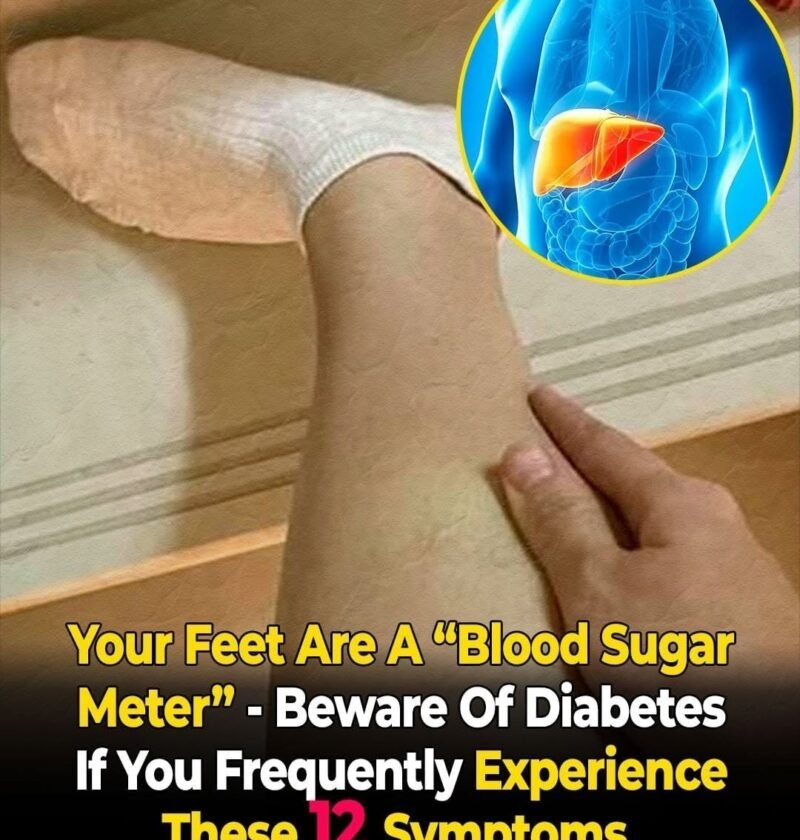
Your feet can indeed act as an early warning system for your overall metabolic health. Chronically high blood sugar damages both small blood vessels (reducing circulation) and peripheral nerves (causing neuropathy). Because the feet are farthest from the heart, they often show the first visible signs of these systemic changes.
Connecting this back to our discussion on medications like atorvastatin, patients with high cholesterol frequently overlap with metabolic syndrome, prediabetes, or type 2 diabetes—making foot health monitoring especially vital.
12 Foot Symptoms That May Point to High Blood Sugar or Diabetes
Neurological Symptoms (Nerve Damage / Neuropathy)
-
Numbness or Loss of Sensation: A reduced ability to feel temperature, pain, or touch, making it easy to step on something sharp without realizing it.
-
Pins and Needles (Tingling): A chronic prickling sensation, often worsening at night. (While we noted mild neuropathy can occasionally be a subtle side effect of statins, long-standing tingling is a classic hallmark of diabetic nerve damage).
-
Burning Pain or Electric Shocks: A deep, burning ache or sudden sharp, shooting pains in the soles of the feet or toes.
-
Muscle Weakness or Cramps: Difficulty controlling small foot muscles or experiencing frequent nighttime foot cramps due to impaired nerve signaling.
Vascular Symptoms (Reduced Blood Circulation)
-
Cold Feet Constantly: Feet that feel unusually cold to the touch because narrowed arteries prevent adequate warm blood flow from reaching the extremities.
-
Hair Loss on the Toes and Lower Legs: Poor circulation starves hair follicles of nutrients, leading to smooth, hairless skin on the toes or top of the feet.
-
Shiny, Tight Skin: The skin on the feet and lower legs may appear stretched, thin, and glossy due to chronic lack of blood supply.
-
Intermittent Claudication (Pain While Walking): A cramping or aching pain in the calves, feet, or thighs that triggers during physical activity and goes away with rest.
Dermatological & Structural Symptoms
-
Slow-Healing Cuts, Sores, or Blisters: Because high blood sugar impairs white blood cell function and blood flow, minor scrapes or blisters take weeks or months to heal.
-
Extremely Dry, Cracked Heels: Uncontrolled blood sugar can damage the nerves that control oil and moisture glands in the skin, leading to severe cracking that is prone to infection.
-
Frequent Fungal Infections (Athlete’s Foot or Nail Fungus): High glucose levels in sweat and tissue nourish fungi, making stubborn athlete’s foot or thick, yellow, brittle toenails much harder to clear.
-
Changes in Foot Shape (Charcot Foot or Hammer Toes): Advanced nerve damage can weaken the bones and muscles of the foot, causing structural collapses, shifting toes, or abnormal pressure points.
Protecting Your Feet
If you notice any of these symptoms—especially if you have risk factors like high cholesterol, prediabetes, or a family history of diabetes—it is important to take proactive steps:
-
Daily Foot Inspections: Look between your toes and examine the bottoms of your feet daily for cuts, blisters, redness, or swelling.
-
Keep Them Clean and Moisturized: Wash your feet daily in lukewarm water, dry them thoroughly (especially between the toes), and apply a gentle lotion to prevent cracking (avoiding the spaces between toes).
-
Never Go Barefoot: Protect your feet from accidental cuts or burns by wearing supportive shoes or slippers, even indoors.
-
Get Your Blood Sugar Tested: A simple fasting blood glucose or HbA1c test from your doctor can clarify whether your blood sugar is running high.
Disclaimer: This information is for educational purposes and should not replace professional medical advice. If you suspect you have neuropathy or circulatory issues, consult a doctor or podiatrist right away.
Have you or someone you know ever noticed unusual foot symptoms like numbness, coldness, or slow-healing skin issues?