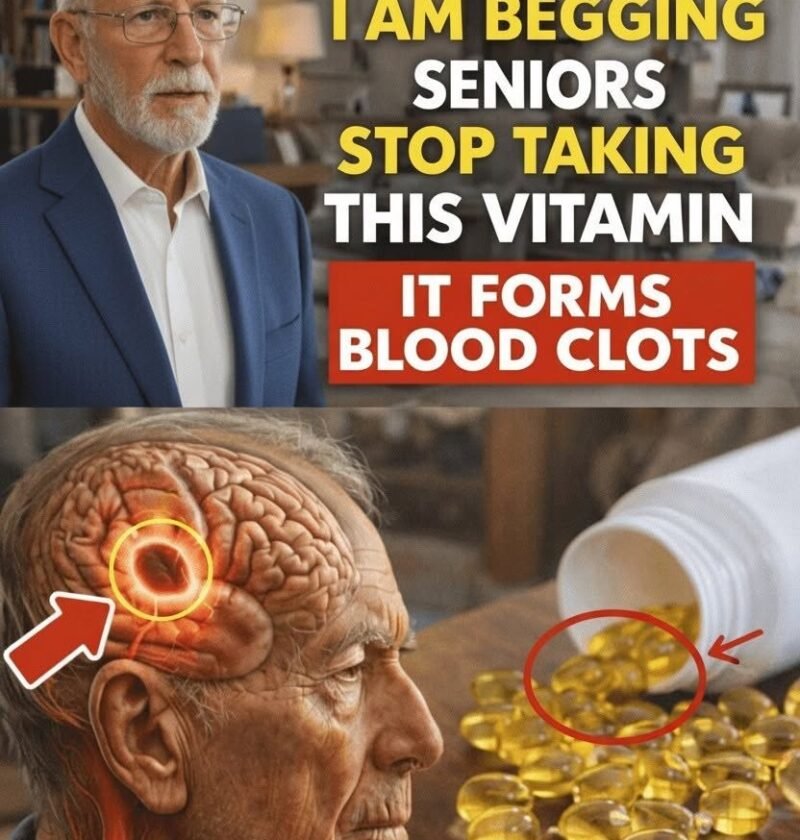
Navigating vitamin habits as we age involves finding a careful balance between supporting brain health, protecting against vascular events like stroke, and avoiding the pitfalls of over-supplementation. For older adults, optimizing nutrient intake is a powerful pillar of longevity, but the relationship between vitamins, stroke risk, and cognitive health requires a nuanced, evidence-based approach.
—
### 1. The Complex Connection: B Vitamins, Homocysteine, and Stroke Risk
B vitamins—specifically **B6, B12, and folate (B9)**—play a profound role in neurological function and vascular health.
* **The Homocysteine Link:** These three B vitamins help the body break down **homocysteine**, an amino acid. When homocysteine levels become too high in the blood, it can damage the inner lining of arteries, promote blood clots, and elevate the risk of both stroke and cognitive decline.
* **The B12 Nuance:** Recent clinical research highlights that even “normal” baseline levels of vitamin B12 may sometimes mask subclinical deficiencies in older adults, which are linked to white matter brain lesions and slower neural processing. Correcting a true deficiency is vital for preserving nerve integrity (myelin production) and lowering vascular-neurological risks.
* **The Catch:** While targeting deficiencies is critical, large-scale clinical data shows that taking high-dose B-vitamin supplements *in the absence of a diagnosed deficiency* does not universally prevent strokes or cognitive decline.
—
### 2. Emerging Guidelines on General Supplementation
Major health organizations—including updated guidance from the World Health Organization (WHO)—emphasize a food-first approach for brain health and stroke prevention.
* **No Blanket Prevention:** Routine, indiscriminate supplementation of vitamins (such as B and E) or multivitamins is **not** recommended solely to prevent dementia or stroke if a person already has adequate nutritional status.
* **Targeted vs. Broad:** Supplements are most powerful when used to correct proven biological shortages (e.g., correcting low vitamin D or a B12 deficiency). Taking high doses “just in case” can sometimes cause imbalances or unwanted physiological effects.
—
### 3. Key Vitamins for Older Adults: Roles and Safe Habits
| Nutrient | Primary Role in Brain & Vascular Health | Considerations for Older Adults |
| — | — | — |
| **Vitamin D** | Supports neuromuscular function, reduces systemic inflammation, and is linked to lower ischemic stroke risk. | Deficiency is common in older age due to reduced skin synthesis and less outdoor exposure. Blood levels should be checked by a physician. |
| **B-Complex (B6, B12, Folate)** | Regulates homocysteine to protect blood vessels and maintain nerve sheaths. | B12 absorption declines with age due to lower stomach acid. Active forms or fortified foods may be necessary. |
| **Vitamin C & E** | Act as antioxidants to neutralize oxidative stress and protect endothelial cells lining blood vessels. | Best obtained through a colorful diet rich in fruits and vegetables rather than megadoses, which can interact with medications. |
—
### Practical Steps for Your Daily Routine
1. **Prioritize Whole Foods First:** A Mediterranean-style diet—rich in leafy greens, fatty fish, nuts, seeds, legumes, and citrus fruits—naturally supplies the balanced spectrum of vitamins your brain and cardiovascular system need.
2. **Test, Don’t Guess:** Ask your primary care physician to run routine blood panels (such as Vitamin D, Vitamin B12, and methylmalonic acid or homocysteine if indicated) to catch true deficiencies early.
3. **Review Interactions:** If you take blood thinners (like warfarin) or cardiovascular medications, certain supplements (like high-dose vitamin E or K) can directly interfere with your treatment. Always run new supplement habits by your doctor or pharmacist.
Are you or a loved one considering adding a specific vitamin to your daily routine, or looking into ways to manage specific lab results?