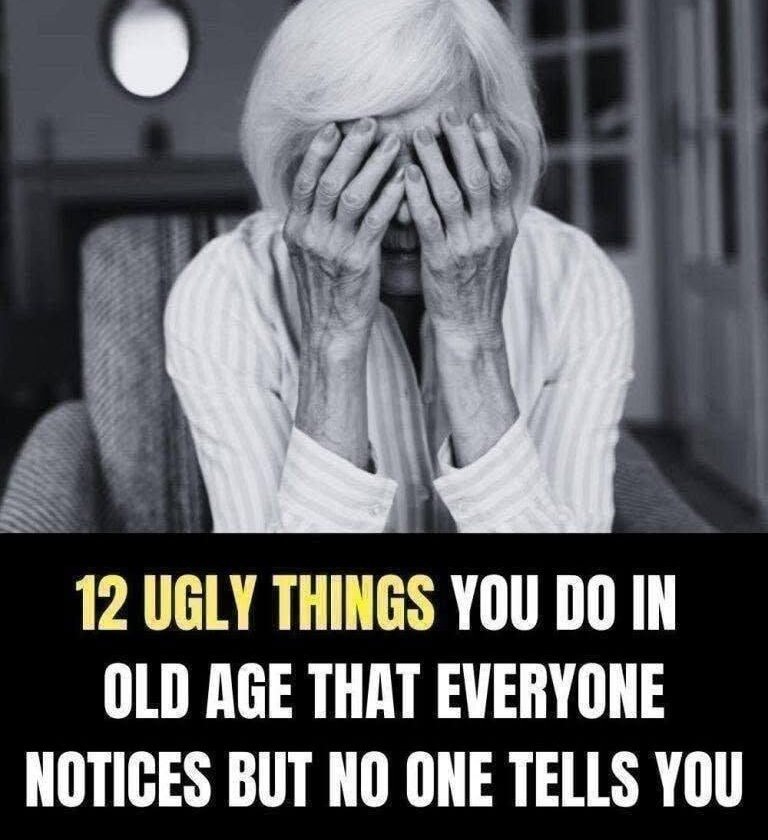
As people age, subtle changes in physical health, sensory perception, and cognitive processing can lead to behavioral or hygiene shifts. Because older adults may become less sensitive to these changes—or because friends, family, and caregivers feel awkward or uncomfortable bringing them up—certain habits often go uncorrected.
Here are 12 common, sensitive habits and shifts that people frequently notice in older age, along with the gentle reasons why they happen:
1. Wearing Clothes Longer Than They Appear Clean
-
What people notice: Wearing the same outfit multiple days in a row, or wearing clothes with visible stains, minor spills, or a noticeable odor.
-
Why it happens: Failing eyesight can make it difficult to spot stains or discoloration in dim lighting. Additionally, a decline in short-term memory can make it hard to recall whether a garment was worn yesterday or pulled straight from the laundry basket.
2. A Shift in Personal Hygiene or Body Odor
-
What people notice: A stronger or distinct body odor, infrequent bathing, or unchanged undergarments.
-
Why it happens: Olfactory fatigue (the nose becoming less sensitive to persistent smells) means the individual often cannot smell themselves. Furthermore, fear of slipping in the shower, joint pain, or fatigue can make bathing feel exhausting or frightening.
3. Over-Reliance on Strong Perfumes or Colognes
-
What people notice: Entering a room enveloped in an overwhelming wave of floral or musky scent.
-
Why it happens: A natural dulling of the sense of smell (anosmia or hyposmia) with age means older adults often apply much more fragrance than needed because they can barely smell it themselves.
4. Letting Spoilage Happen in the Refrigerator or Pantry
-
What people notice: Storing expired, moldy, or visibly rotting food, or holding onto leftovers long past their safe window.
-
Why it happens: Diminished taste and smell make it harder to detect spoilage. Memory lapses can also make it difficult to remember when a particular item was bought or cooked.
5. Neglecting Dental and Breath Care
-
What people notice: Persistent bad breath (halitosis) or unmaintained teeth and dentures.
-
Why it happens: Dry mouth—a very common side effect of many medications prescribed in older age—accelerates plaque buildup and bad breath. Hand tremors, arthritis, or fatigue can also make thorough flossing and brushing physically painful or difficult.
6. Accumulating Clutter and Hoarding Items
-
What people notice: Stacks of newspapers, old mail, plastic containers, or random objects piling up in pathways and rooms.
-
Why it happens: Executive function changes, anxiety about throwing things away that “might still be useful,” and a desire to hold onto familiar items for comfort can lead to intense clutter. Physical limitations may also make sorting and heavy lifting nearly impossible.
7. Conversational Habits: Repeating Stories or Interrupting
-
What people notice: Telling the exact same story multiple times within the same visit, or talking over others.
-
Why it happens: Short-term memory fades, causing the person to forget that they already shared an anecdote. Interruptions or missing conversational cues often stem from slight age-related hearing loss, making it harder to track rapid group dialogue.
8. Changes in Table Manners or Eating Habits
-
What people notice: Eating very quickly, dropping food, chewing with an open mouth, or using fingers when utensils are expected.
-
Why it happens: Tremors in the hands, poor vision making it hard to see food on the plate, or ill-fitting dentures can make traditional dining mechanics frustrating and messy.
9. Unfiltered or Blunt Commentary
-
What people notice: Making overly direct, personal, or socially inappropriate comments about someone’s weight, appearance, lifestyle, or choices.
-
Why it happens: The frontal lobe of the brain, which governs impulse control and social filtering, naturally undergoes changes with aging. Older adults may lose their internal “filter” and say whatever crosses their mind without realizing how it sounds.
10. Neglecting Home Maintenance and Cleanliness
-
What people notice: Dust-caked surfaces, unwashed dishes left overnight, sticky floors, or pet waste areas that aren’t cleaned frequently.
-
Why it happens: Decreased stamina, chronic joint pain, and limited mobility mean that deep cleaning requires energy that the individual simply no longer has.
11. Wearing Mismatched or Impractical Clothing
-
What people notice: Wearing winter coats in warm weather, mismatched socks, or clothes that clash dramatically.
-
Why it happens: Impaired temperature regulation makes older adults feel cold when others are comfortable. Reduced vision makes matching colors difficult, and prioritizing physical comfort above all else leads to choosing ease over fashion.
12. Digital Over-Sharing or Falling for Misinformation
-
What people notice: Forwarding unverified, sensational, or repetitive chain messages, conspiracy theories, or fake news online.
-
Why it happens: Older adults who grew up in a different era of media may lack the digital literacy or skepticism required to evaluate modern online content. Loneliness can also drive them to share posts simply to spark interaction and connection.
How to Approach These Situations with Compassion
If you notice these changes in a loved one, it is usually a sign of an underlying physical challenge, sensory loss, or cognitive shift rather than deliberate stubbornness. Approaching them with gentle empathy—such as offering to help clean out the fridge together, installing non-slip shower aids, or framing concerns around health and safety—can help preserve their dignity while addressing the issue