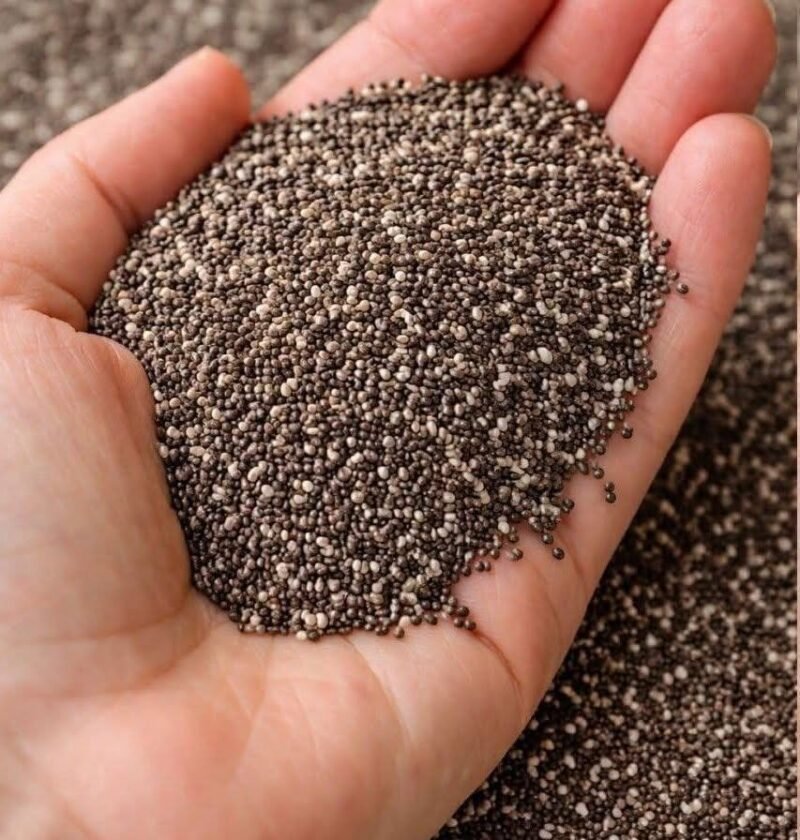
That sentence is a classic clickbait headline template designed to make you click a link or social media post.
While headlines like that often tease sensational claims, doctors and dietitians actually point to a few very specific—and mostly manageable—effects when people eat chia seeds:
1. Digestive Distress (Bloating, Gas, and Cramps)
Chia seeds are extremely high in soluble and insoluble fiber. If you suddenly start eating large amounts of chia seeds without letting your digestive system adapt (a trend sometimes called “fiber maxxing”), it can cause severe bloating, gas, stomach cramps, or diarrhea.
-
Doctor’s advice: Increase fiber intake gradually and drink plenty of water to help it pass through your system smoothly.
2. Choking and Esophageal Blockage Risk
Because chia seeds can absorb up to 10–12 times their weight in liquid, eating them dry and then drinking water can cause them to expand inside your esophagus. Doctors have reported emergency cases where dry chia seeds formed a gel-like plug in a patient’s throat, requiring medical removal.
-
Doctor’s advice: Always soak chia seeds in liquid (water, milk, or yogurt) for 10–15 minutes until they form a gel before consuming them.
3. Interactions with Blood Pressure or Blood Sugar Medications
Chia seeds naturally contain omega-3 fatty acids and high fiber content, which can help lower blood pressure and manage blood sugar. However, if you are already taking medications for hypertension (high blood pressure) or diabetes, eating massive amounts of chia seeds can amplify those medication effects, causing your blood pressure or blood sugar to drop too low.
-
Doctor’s advice: Consult your doctor if you take daily blood thinners, blood pressure meds, or insulin before adding large daily amounts of chia seeds to your diet.
The Bottom Line: Chia seeds are a highly nutritious “superfood” packed with fiber, protein, and healthy fats when consumed in moderation (around 1 to 2 tablespoons per day). Just make sure to soak them first and stay hydrated!