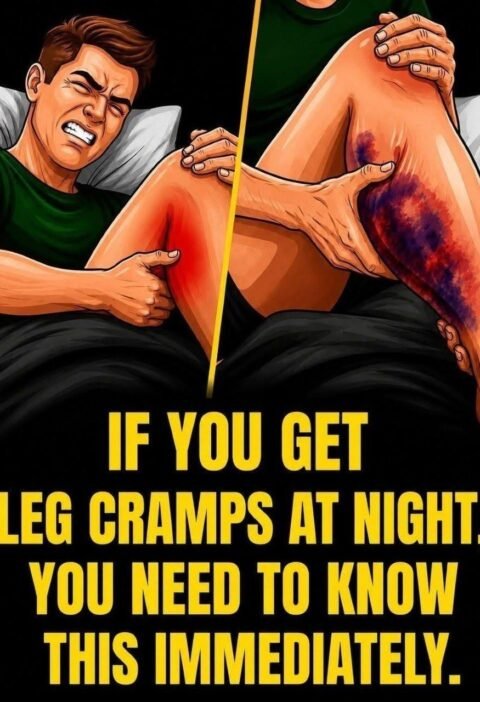
Night leg cramps (nocturnal leg cramps) are sudden, involuntary contractions of the calf, foot, or thigh muscles while sleeping or resting. While anyone can experience them, specific demographics and lifestyle factors significantly increase the risk:
1. Primary High-Risk Groups
-
Older Adults (60+ years old): Up to 50–60% of older adults experience nighttime leg cramps. As we age, tendons naturally shorten and stiffen, motor neuron signals become less stable, and muscle mass declines, making spasms far more frequent.
-
Pregnant Individuals: Up to 40% of pregnant women get nocturnal leg cramps, particularly during the second and third trimesters. This is caused by increased physical strain on leg muscles from added body weight, changes in circulation, and shifting electrolyte balances.
2. Medical Conditions & Biological Factors
-
Neurological Conditions: Diseases affecting motor neurons—such as Parkinson’s disease, peripheral neuropathy, or spinal stenosis—frequently trigger abnormal muscle firing during rest.
-
Metabolic & Endocrine Disorders: Uncontrolled diabetes, thyroid dysfunctions (hypothyroidism or hyperthyroidism), and chronic kidney disease (especially for those on dialysis) alter nerve sensitivity and fluid balance.
-
Vascular & Circulatory Issues: Conditions like peripheral artery disease (PAD) or varicose veins restrict proper oxygenated blood flow to leg muscles.
-
Electrolyte Deficiencies: Low levels of potassium, magnesium, calcium, or sodium disrupt standard neuromuscular signals.
3. Lifestyle & Workplace Factors
-
Physical Overexertion or Muscle Fatigue: Athletes, laborers, or individuals engaging in intense leg workouts can overfatigue their muscles, triggering reflex spasms later at night.
-
Prolonged Inactivity or Desk Work: Sitting for hours, sitting with poor posture, or living a sedentary lifestyle causes leg tendons and muscles to shorten and stiffen.
-
Extended Standing: People who work on hard or concrete floors all day (e.g., nurses, teachers, retail staff) experience prolonged muscle loading, increasing nighttime cramping.
-
Dehydration & Alcohol Consumption: Chronic dehydration or excessive alcohol intake disrupts cellular fluid levels and leads to nerve irritability.
4. Specific Medication Users
People taking the following types of prescriptions are at higher risk:
-
Diuretics (water pills) for high blood pressure
-
Statins for high cholesterol
-
Beta-agonists for asthma or COPD
-
Birth control pills