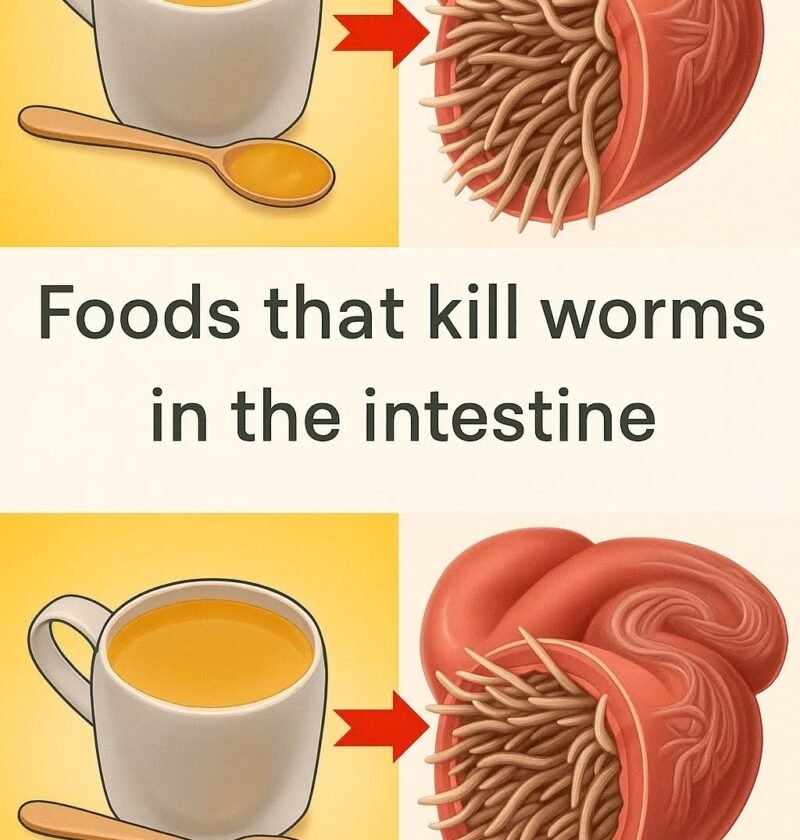
> **Important Medical Notice:** Content claiming that specific foods can “kill intestinal worms” is generally misleading or exaggerated. While certain traditional foods and herbs have mild anti-parasitic properties or create a less hospitable environment in the gut, **they are not a medical substitute for clinically proven anti-parasitic medications** prescribed by a healthcare provider. If you suspect an intestinal parasite infection, proper medical diagnosis (such as a stool test) is essential.
—
### Foods Often Associated with Parasite Cleansing in Folklore and Traditional Diets
While these foods have general health benefits, evidence supporting their ability to completely cure an intestinal worm infection in humans is very limited.
* **Pumpkin Seeds (Pepitas):** Often cited for containing * cucurbitacin*, a compound traditionally believed to paralyze certain parasites, making it easier for the digestive system to expel them.
* **Garlic:** Contains *allicin* and *ajoene*, compounds known for their strong antimicrobial, antibacterial, and mild anti-parasitic properties.
* **Papaya and Papaya Seeds:** Papaya contains the enzyme *papain*, and the seeds contain compounds that have shown some anti-parasitic activity in laboratory (in vitro) studies.
* **Pineapple:** Contains *bromelain*, a digestive enzyme that helps break down proteins, which some traditional remedies suggest can help weaken the environment for certain worms.
* **Coconut (and Coconut Oil):** Rich in medium-chain fatty acids (like lauric acid), which possess antimicrobial properties, though their direct effect on intestinal worms in humans is not clinically established.
* **Pomegranate:** The bark, fruit, and rind of pomegranates have been used historically in traditional medicine due to compounds with anthelminthic (worm-expelling) properties.
* **Carrots:** Rich in beta-carotene and fiber, raw carrots are often recommended in folk remedies to help sweep the digestive tract, though they do not actively kill parasites.
—
### Understanding Intestinal Worms
Intestinal worms (such as pinworms, tapeworms, or roundworms) are medical conditions that typically require specific antiparasitic drugs (like mebendazole or albendazole) for safe and complete eradication. Relying solely on diet to treat an active infection can lead to persistent symptoms, nutritional deficiencies, or complications.
If you are experiencing symptoms like persistent abdominal pain, unexplained weight loss, digestive changes, anal itching (common with pinworms), or fatigue, you should consult a doctor or healthcare professional for proper testing and treatment.
Have you or someone you know been experiencing any specific symptoms, or are you exploring general dietary remedies?