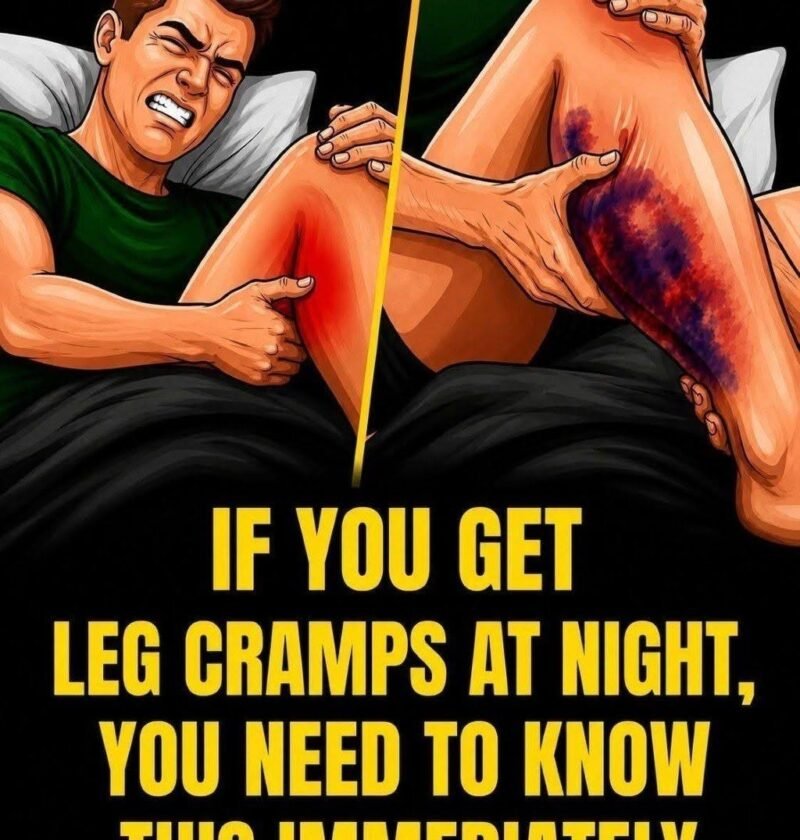
Waking up to a sudden, intense knot in your calf or foot is an alarming and painful experience. While nighttime leg cramps (nocturnal leg cramps) are usually harmless, they are your body’s way of signaling that something is amiss with your muscles, hydration, or nerves.
Here is what you should know about why they happen, how to manage them, and when they require medical attention.
Why Do Nighttime Leg Cramps Happen?
Most nocturnal leg cramps are “idiopathic,” meaning they happen without a clear or serious underlying cause. However, several common factors can trigger them:
-
Muscle Fatigue and Inactivity: Overworking your muscles during the day or, conversely, living a sedentary lifestyle (sitting for long hours) can cause muscle fibers to shorten or fatigue easily.
-
Sleep Position: Sleeping with your toes pointed downward (plantar flexion) naturally shortens your calf muscles, making them prone to sudden spasms. Heavy, tucked-in bedding can worsen this by forcing your feet downward.
-
Dehydration: Muscles require adequate fluids and balanced electrolytes (such as potassium, magnesium, and calcium) to contract and relax smoothly.
-
Medications and Medical Conditions: Certain drugs—including diuretics and statins—can contribute to cramping. Persistent cramps can also sometimes point to underlying issues like peripheral artery disease, nerve damage (neuropathy), or kidney problems.
What to Do When a Cramp Strikes
When a cramp wakes you up, swift action can help shorten the spasm:
-
Stretch the Muscle: Straighten your leg and flex your foot upward, pulling your toes toward your shin. If you can reach them, gently pull your toes back.
-
Stand Up and Walk: Getting out of bed and putting weight on the leg—or walking on your heels—activates the opposing muscles and helps the calf relax.
-
Massage and Heat: Use firm, circular motions to massage the tight muscle. Follow up with a warm towel, heating pad, or warm bath to ease lingering soreness.
Simple Ways to Prevent Them
You can significantly reduce how often night cramps occur by adopting a few daily habits:
-
Hydrate Consistently: Drink plenty of water throughout the day to keep your muscles functioning efficiently.
-
Stretch Before Bed: Spend a few minutes doing light calf stretches before going to sleep.
-
Loosen Your Bedding: Keep your blankets and sheets untucked at the foot of the bed so your feet can rest in a natural, upright position.
-
Focus on Balanced Nutrition: Incorporate foods rich in potassium, calcium, and magnesium (such as bananas, leafy greens, and yogurt) into your regular diet.
When to See a Doctor
While occasional cramps are normal, you should consult a healthcare provider if your cramps are frequent, severe, unresponsive to home care, or accompanied by swelling, redness, numbness, or muscle weakness. A doctor can run basic blood tests to check your electrolyte levels or evaluate you for any underlying medical conditions.
How frequently have these night cramps been waking you up, and have you noticed any other symptoms like numbness or swelling in your legs