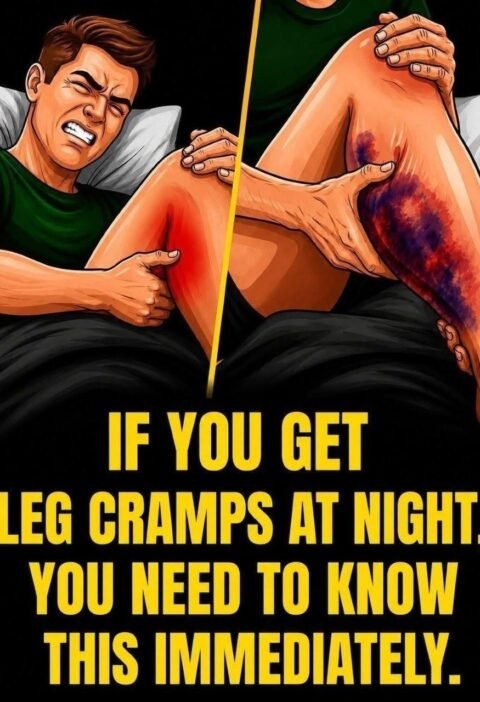
While most nighttime leg cramps (often called “charley horses”) are harmless and idiopathic—meaning they happen randomly due to tired muscles or the way your feet point while sleeping—frequent or severe spasms can occasionally be your body’s way of signaling an underlying health or lifestyle issue.
The primary possibilities your body might be warning you about include:
### 1. Common Everyday Triggers
* **Dehydration & Electrolyte Imbalances:** Inadequate fluid intake or low levels of key minerals like **potassium, magnesium, calcium, and sodium** can disrupt normal muscle and nerve function.
* **Muscle Fatigue & Strain:** Overusing your muscles during a workout, standing for long periods on hard surfaces, or maintaining a sedentary lifestyle can leave muscles prone to seizing up at rest.
* **Medication Side Effects:** Certain prescription drugs—most notably **diuretics (water pills)**, **statins** (for cholesterol), and some blood pressure medications—are well-known culprits.
### 2. Underlying Medical Conditions
If your cramps are chronic, worsening, or accompanied by other symptoms, they can occasionally point toward:
* **Circulatory & Vascular Issues:** Poor blood flow to the limbs (such as peripheral artery disease or venous insufficiency) restricts the oxygen and nutrients your leg muscles need, particularly during long periods of rest.
* **Metabolic & Endocrine Disorders:** Conditions like **type 2 diabetes** frequently cause nocturnal cramps due to a combination of high blood sugar, poor circulation, and diabetic nerve damage (neuropathy). Thyroid disorders (like hypothyroidism) and chronic kidney disease are also linked to frequent cramping.
* **Nerve or Structural Compression:** Conditions like lumbar spinal stenosis (narrowing of the spinal canal) or peripheral neuropathy can irritate the nerves controlling your leg muscles.
—
### Simple Relief & Prevention Strategies
* **Quick Relief:** When a cramp hits, forcefully stretch the muscle by straightening your leg and flexing your foot upward (pulling your toes toward your shin), followed by a gentle massage or a warm shower.
* **Bedtime Routine:** Do light calf and hamstring stretches before bed, stay well-hydrated throughout the day, and ensure your bed sheets aren’t tucked in so tightly that they force your toes downward into a cramped position.
### When to See a Doctor
You should consult a healthcare provider if your leg cramps are severe, happen frequently enough to consistently disrupt your sleep, or are accompanied by unexplained muscle weakness, swelling, numbness, or skin color changes in your legs.
Do your leg cramps happen frequently, or do you notice any other symptoms like numbness or swelling accompanying them?