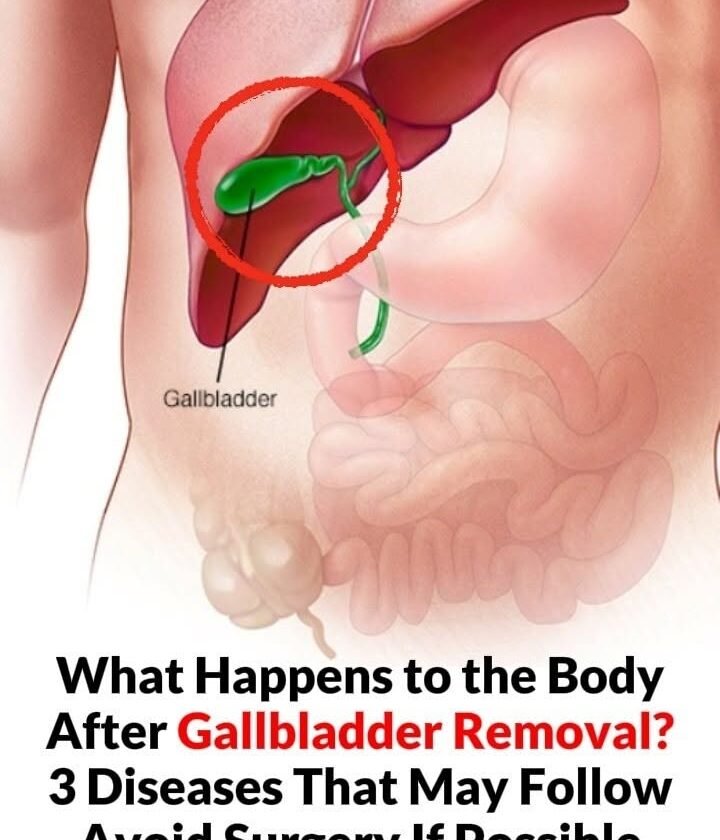
3 Conditions That May Occur After Gallbladder Removal
1. Bile acid diarrhoea
Bile flows directly from the liver into the intestine after surgery. In some people, excess bile acids reach the colon and cause frequent, watery stools. Treatment is available if symptoms persist.
2. Indigestion and acid reflux
Some people experience bloating, nausea, heartburn, or discomfort after fatty meals. These symptoms may improve with smaller meals and reduced fat intake, although persistent symptoms need medical assessment.
3. Persistent abdominal pain or bile duct problems
Retained or newly formed bile duct stones, bile leakage, and other digestive conditions can cause pain after surgery. These problems require medical evaluation rather than being dismissed as normal recovery.
Should You Avoid Gallbladder Surgery?
Not necessarily. Gallbladder removal is commonly recommended for recurrent, painful gallstones or complications such as gallbladder inflammation. Leaving symptomatic gallstones untreated can lead to serious problems, including bile duct obstruction and pancreatitis.
If gallstones are found incidentally and cause no symptoms, surgery may not be needed. In selected cases, medicines may be considered, but they are not suitable for everyone and stones may recur.
Important: Seek urgent medical attention for severe or worsening abdominal pain, fever, or yellowing of the eyes or skin.
The best decision depends on your symptoms, ultrasound findings, and medical history. Discuss the benefits and risks with a qualified surgeon before deciding to proceed or delay surgery.