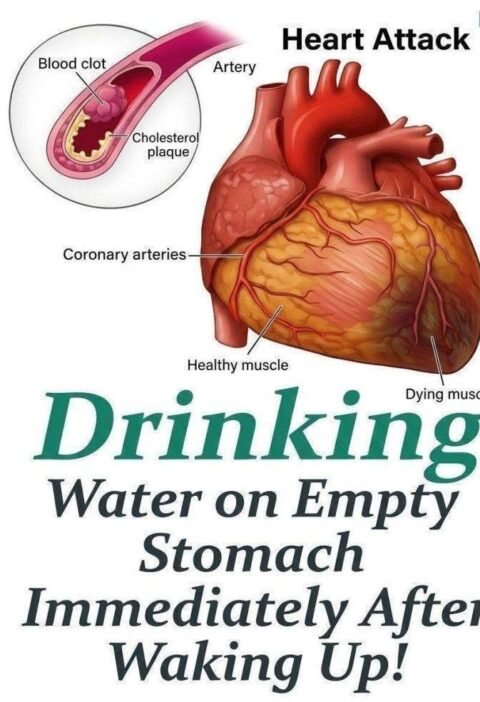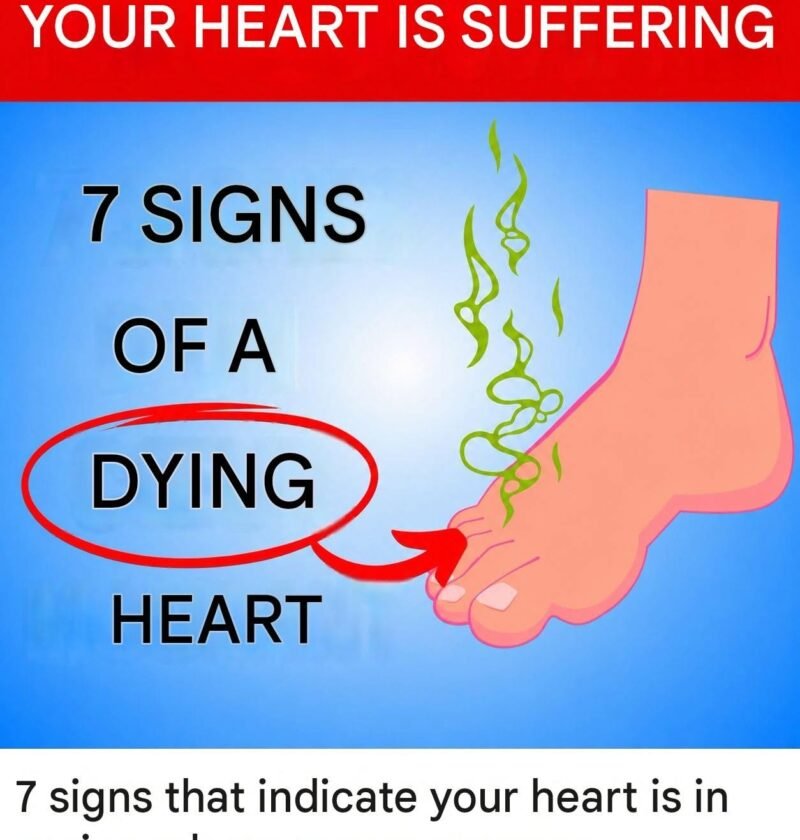
When the heart is in serious danger—such as during acute coronary syndrome, severe angina, or an impending heart attack—the body often sends warning signals. While severe crushing chest pain is the most famous symptom, heart trouble can present in surprisingly subtle ways, particularly in women, older adults, and individuals with diabetes.
The following 7 critical signs indicate that your heart may be in serious danger and require immediate medical evaluation:
1. Chest Discomfort, Pressure, or Squeezing (Angina)
-
What it feels like: The classic sign is a feeling of pressure, fullness, tightness, or squeezing in the center or left side of the chest. It is often described as an “elephant sitting on the chest.”
-
The danger sign: Unlike muscular aches, this discomfort usually lasts more than a few minutes, or it goes away and comes back. If pressure occurs during physical exertion or stress and subsides with rest, it may indicate unstable angina—a major warning sign of blocked coronary arteries.
2. Pain Radiating to the Arm, Jaw, Neck, or Back
-
What it feels like: Discomfort that originates in the chest and travels outward. It frequently spreads to the left arm, but can affect both arms, the shoulders, upper back, neck, or lower jaw.
-
The danger sign: Unexplained aching, tightness, or pain in the jaw or back—especially if it flares up with activity and eases with rest—is a well-documented indicator of cardiac distress, particularly in women.
3. Unexplained Shortness of Breath
-
What it feels like: Feeling drastically winded or struggling to catch your breath, either during mild physical activity (like climbing a flight of stairs) or even while resting or lying flat.
-
The danger sign: If your heart muscle is struggling to pump effectively, blood can back up into the lungs, causing acute breathlessness. This can happen alongside chest discomfort or entirely on its own.
4. Sudden, Profuse Cold Sweats (Diaphoresis)
-
What it feels like: Breaking out into a sudden, cold, clammy sweat for no apparent reason, often leaving your skin pale or bluish.
-
The danger sign: A sudden cold sweat—especially when accompanied by anxiety, dizziness, or chest tightness—is a classic physiological stress response indicating that the sympathetic nervous system is firing because the heart is under extreme distress.
5. Severe, Uncharacteristic Fatigue
-
What it feels like: An overwhelming, crushing exhaustion that makes even simple tasks (like walking to the bathroom or making the bed) feel impossible, even after a full night’s sleep.
-
The danger sign: Profound, sudden fatigue—which can develop days or even weeks prior to a cardiac event—occurs because the heart is failing to circulate oxygen-rich blood efficiently to the rest of the body.
6. Nausea, Indigestion, or Vomiting
-
What it feels like: A sudden bout of severe heartburn, upper abdominal pressure, queeziness, or vomiting.
-
The danger sign: People frequently mistake heart attacks for severe acid reflux or food poisoning. If gastrointestinal distress comes on suddenly during exertion, is paired with lightheadedness or sweating, and doesn’t respond to typical antacids, it should be treated as a potential cardiac emergency.
7. Dizziness, Lightheadedness, or Fainting (Syncope)
-
What it feels like: Feeling suddenly unsteady, woozy, or lightheaded as if you might pass out.
-
The danger sign: When the heart encounters a dangerous rhythm disturbance (arrhythmia) or a sharp drop in blood pressure because it cannot pump effectively, blood flow to the brain plummets. Sudden fainting or severe dizziness is a red flag that demands immediate evaluation.
CRITICAL NOTE: If you or someone around you experiences these symptoms—particularly if they are new, worsening, or last longer than 5 minutes—call emergency services (such as 911) immediately. Do not attempt to drive yourself to the hospital. Fast medical intervention can restore blood flow, limit permanent heart damage, and save lives.
Disclaimer: I am an AI, not a doctor. If you are experiencing acute or worrisome medical symptoms, please seek professional medical attention right away.