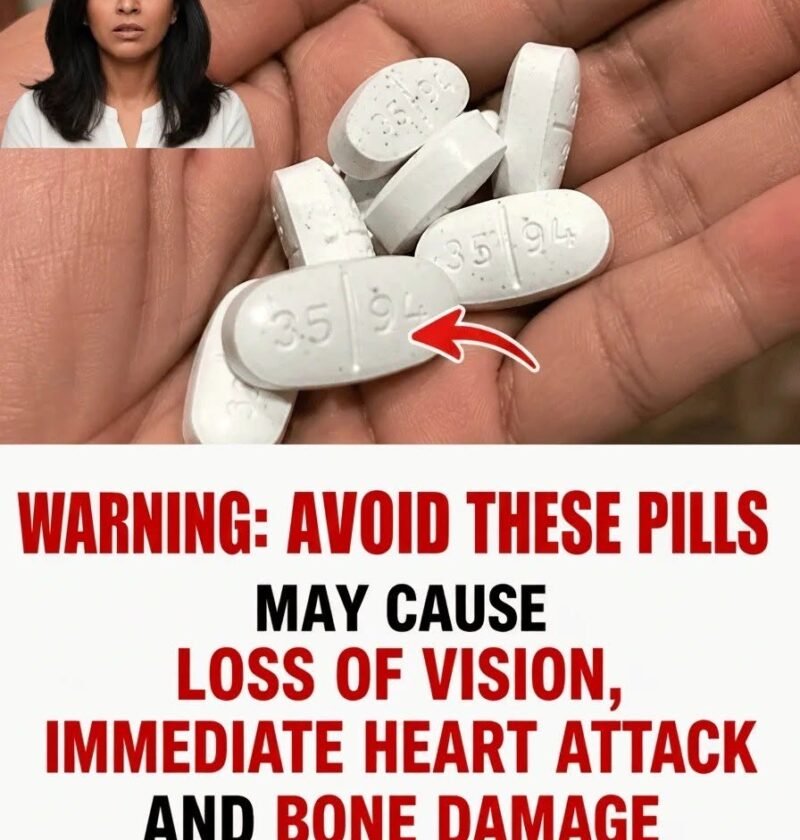
Sensationalized headlines about everyday pills and blood clots often point to a kernel of medical reality, but they usually lack the crucial context needed to understand actual risk.
Certain widely used medications—most notably hormonal contraceptives (birth control pills) and hormone replacement therapies containing estrogen—are statistically associated with an increased risk of blood clots (such as deep vein thrombosis or pulmonary embolism). Estrogen can alter how the liver produces clotting factors, making the blood slightly more prone to clotting.
However, medical context matters significantly:
-
Absolute Risk vs. Relative Risk: While a specific pill might double or triple a person’s relative risk, the absolute chance of a healthy person developing a clot remains statistically low.
-
Individual Risk Factors: Factors like smoking, age, immobility, genetic clotting disorders, or a family history of blood clots heavily influence individual vulnerability.
How to Stay Safe
-
Never Stop Medication Abruptly: If you take a prescribed medication and worry about potential side effects, never stop taking it suddenly without consulting your doctor first, as abrupt cessation can cause other serious medical complications.
-
Review Your History: When starting any new medication—especially hormone-based pills—provide your physician with a complete medical and family history.
-
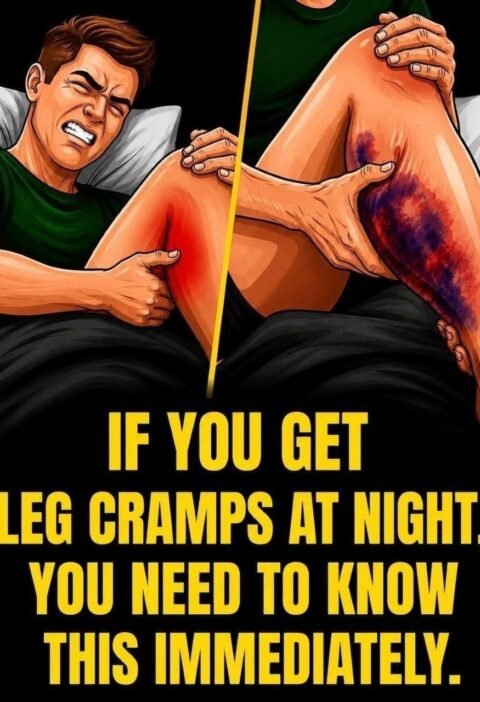
Know the Warning Signs: Educate yourself on the symptoms of a blood clot, which include sudden swelling, pain, or tenderness in one leg (usually the calf), skin that feels warm to the touch, or unexplained shortness of breath and sharp chest pain. Seek emergency medical care immediately if these symptoms occur.