Blog

Certain medications can place stress on the kidneys because these organs are responsible for filtering and clearing chemical compounds from the bloodstream. While many of these drugs are safe and necessary when used as directed, they can cause kidney injury under certain conditions—such as high doses, long-term use, dehydration, or pre-existing kidney disease. Eight common classes of pills and medications that are frequently associated with kidney stress or damage include: — ### 1. Nonsteroidal Anti-Inflammatory Drugs (NSAIDs) * **Common Examples:** Ibuprofen (Advil, Motrin), Naproxen (Aleve), and high-dose prescription options like Meloxicam or Diclofenac. * **Why they affect the kidneys:** NSAIDs reduce local blood flow to the kidneys by inhibiting protective chemical messengers (prostaglandins). Regular or high-dose use—especially when a person is dehydrated—can sharply reduce filtration efficiency and lead to acute kidney injury. ### 2. Proton Pump Inhibitors (PPIs) * **Common Examples:** Omeprazole (Prilosec), Esomeprazole (Nexium), Lansoprazole (Prevacid). * **Why they affect the kidneys:** Frequently used for acid reflux and heartburn, chronic long-term use of PPIs has been linked to an increased risk of chronic kidney disease. They can trigger an allergic-type inflammatory reaction in the kidneys known as acute interstitial nephritis. ### 3. Certain Diuretics (“Water Pills”) * **Common Examples:** Hydrochlorothiazide, Furosemide (Lasix). * **Why they affect the kidneys:** Diuretics help the body get rid of excess fluid and are vital for managing high blood pressure and heart failure. However, over-diuresis can cause rapid fluid loss and dehydration, plummeting blood volume and temporarily reducing the blood supply the kidneys need to function smoothly. ### 4. ACE Inhibitors and ARBs (Blood Pressure Medications) * **Common Examples:** Lisinopril, Enalapril, Losartan, Valsartan. * **Why they affect the kidneys:** These medications are unique because they are actually *prescribed* to protect the kidneys in people with diabetes or high blood pressure. However, they alter pressure dynamics inside the tiny filtering units of the kidneys. If a patient becomes severely dehydrated or develops a sudden drop in blood pressure, these pills can occasionally trigger acute kidney strain. ### 5. Certain Antibiotics * **Common Examples:** Aminoglycosides (like Gentamicin) and Vancomycin (often given intravenously, but certain oral or systemic classes also require careful monitoring). * **Why they affect the kidneys:** Some potent antibiotics can directly damage the delicate cells inside the kidney’s filtering tubules. Doctors monitor blood levels closely when prescribing them to ensure they clear the body safely. ### 6. Lithium * **Common Examples:** Lithobid (used for bipolar disorder). * **Why they affect the kidneys:** Long-term use of lithium requires routine blood testing. Over years of therapy, it can occasionally affect the kidney’s ability to concentrate urine properly, sometimes leading to chronic functional changes. ### 7. Certain Antiviral Medications * **Common Examples:** Acyclovir (used for viral infections like shingles or herpes), Tenofovir (used for HIV and hepatitis B). * **Why they affect the kidneys:** Some antiviral medications can form microscopic crystals inside the kidney tubules if a patient is dehydrated, physically blocking normal urine flow and irritating the tissue. ### 8. Oral Sodium Phosphate Laxatives * **Common Examples:** Certain prescription or high-dose over-the-counter bowel-cleansing preparations. * **Why they affect the kidneys:** High doses of oral sodium phosphate can cause a rare condition called acute phosphate nephropathy, where calcium and phosphate deposits form inside the kidney tubules, causing lasting damage. — > **Important Safety Note:** Never abruptly stop taking a prescribed medication (such as blood pressure pills, diuretics, or lithium) out of concern for your kidneys without first consulting your healthcare provider. Many of these drugs protect your heart and overall health; a doctor can manage safety by adjusting dosages, keeping you hydrated, or ordering routine blood tests to check your kidney function. Are you looking into this because you or someone you know is managing a specific medication or symptom?


Certain medications can place stress on the kidneys because these organs are responsible for filtering and clearing chemical compounds from the bloodstream. While many of these drugs are safe and necessary when used as directed, they can cause kidney injury under certain conditions—such as high doses, long-term use, dehydration, or pre-existing kidney disease.
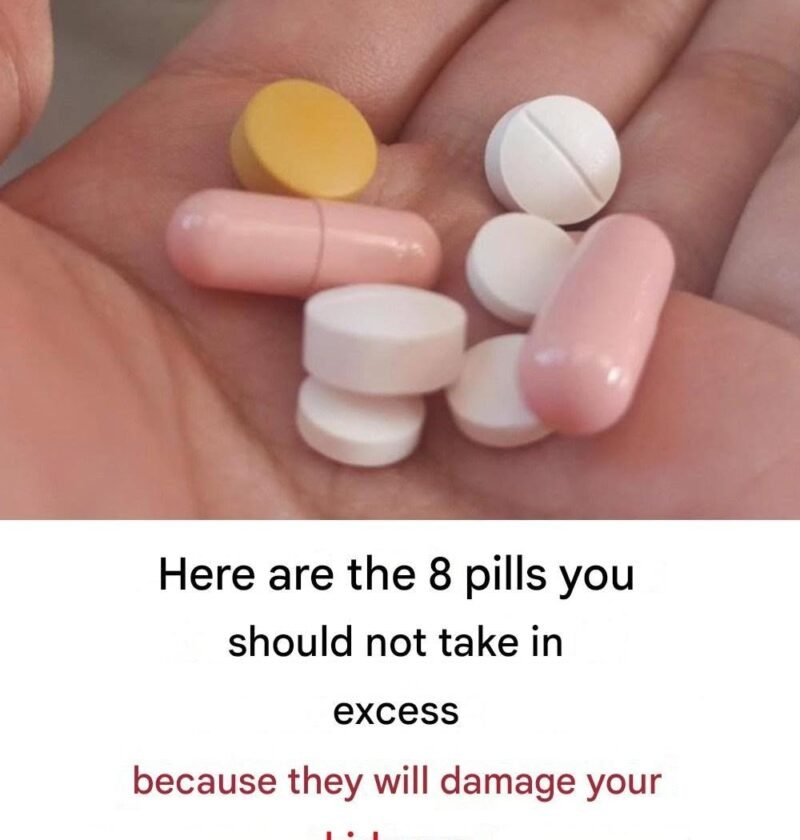
Eight common classes of pills and medications that are frequently associated with kidney stress or damage include:

1. Nonsteroidal Anti-Inflammatory Drugs (NSAIDs)

  • Common Examples: Ibuprofen (Advil, Motrin), Naproxen (Aleve), and high-dose prescription options like Meloxicam or Diclofenac.
  • Why they affect the kidneys: NSAIDs reduce local blood flow to the kidneys by inhibiting protective chemical messengers (prostaglandins). Regular or high-dose use—especially when a person is dehydrated—can sharply reduce filtration efficiency and lead to acute kidney injury.

2. Proton Pump Inhibitors (PPIs)

  • Common Examples: Omeprazole (Prilosec), Esomeprazole (Nexium), Lansoprazole (Prevacid).
  • Why they affect the kidneys: Frequently used for acid reflux and heartburn, chronic long-term use of PPIs has been linked to an increased risk of chronic kidney disease. They can trigger an allergic-type inflammatory reaction in the kidneys known as acute interstitial nephritis.

3. Certain Diuretics (“Water Pills”)

  • Common Examples: Hydrochlorothiazide, Furosemide (Lasix).
  • Why they affect the kidneys: Diuretics help the body get rid of excess fluid and are vital for managing high blood pressure and heart failure. However, over-diuresis can cause rapid fluid loss and dehydration, plummeting blood volume and temporarily reducing the blood supply the kidneys need to function smoothly.

4. ACE Inhibitors and ARBs (Blood Pressure Medications)

  • Common Examples: Lisinopril, Enalapril, Losartan, Valsartan.
  • Why they affect the kidneys: These medications are unique because they are actually prescribed to protect the kidneys in people with diabetes or high blood pressure. However, they alter pressure dynamics inside the tiny filtering units of the kidneys. If a patient becomes severely dehydrated or develops a sudden drop in blood pressure, these pills can occasionally trigger acute kidney strain.

5. Certain Antibiotics

  • Common Examples: Aminoglycosides (like Gentamicin) and Vancomycin (often given intravenously, but certain oral or systemic classes also require careful monitoring).
  • Why they affect the kidneys: Some potent antibiotics can directly damage the delicate cells inside the kidney’s filtering tubules. Doctors monitor blood levels closely when prescribing them to ensure they clear the body safely.

6. Lithium

  • Common Examples: Lithobid (used for bipolar disorder).
  • Why they affect the kidneys: Long-term use of lithium requires routine blood testing. Over years of therapy, it can occasionally affect the kidney’s ability to concentrate urine properly, sometimes leading to chronic functional changes.

7. Certain Antiviral Medications

  • Common Examples: Acyclovir (used for viral infections like shingles or herpes), Tenofovir (used for HIV and hepatitis B).
  • Why they affect the kidneys: Some antiviral medications can form microscopic crystals inside the kidney tubules if a patient is dehydrated, physically blocking normal urine flow and irritating the tissue.

8. Oral Sodium Phosphate Laxatives

  • Common Examples: Certain prescription or high-dose over-the-counter bowel-cleansing preparations.
  • Why they affect the kidneys: High doses of oral sodium phosphate can cause a rare condition called acute phosphate nephropathy, where calcium and phosphate deposits form inside the kidney tubules, causing lasting damage.
Important Safety Note: Never abruptly stop taking a prescribed medication (such as blood pressure pills, diuretics, or lithium) out of concern for your kidneys without first consulting your healthcare provider. Many of these drugs protect your heart and overall health; a doctor can manage safety by adjusting dosages, keeping you hydrated, or ordering routine blood tests to check your kidney function.
Are you looking into this because you or someone you know is managing a specific medication or symptom?
Leave a Reply

Your email address will not be published. Required fields are marked *