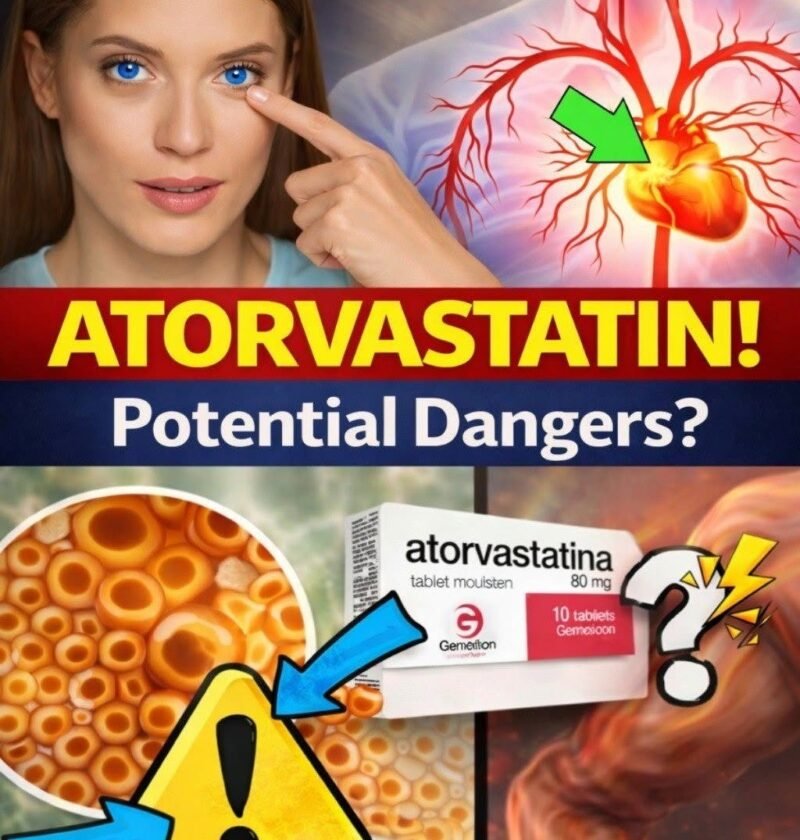
While atorvastatin (Lipitor) is widely prescribed and profoundly effective for lowering cholesterol and protecting against cardiovascular events, standard medical appointments often focus strictly on the core benefits and the most common warning: basic muscle aches.
Beyond routine muscle soreness, clinical data, post-marketing safety reports, and pharmacological research highlight several lesser-known, hidden, or overlooked side effects that patients deserve to understand.
1. Subtle Blood Sugar Creep & New-Onset Diabetes
-
The Hidden Effect: Statins can slightly decrease the body’s sensitivity to insulin, leading to a modest rise in fasting blood glucose levels. For some individuals—particularly those already dealing with pre-diabetes, metabolic syndrome, or abdominal obesity—this can cross the threshold into a new diagnosis of type 2 diabetes over long-term use.
-
Why It Matters: The cardiovascular benefits of statins usually outweigh this metabolic risk, but monitoring your HbA1c periodically is wise if you have risk factors.
2. Immune-Mediated Necrotizing Myopathy (IMNM)
-
The Hidden Effect: While standard statin-induced muscle pain typically fades after stopping the medication, IMNM is a rare autoimmune condition where the body’s immune system continues attacking muscle tissue even after atorvastatin is discontinued.
-
Why It Matters: It presents as severe, persistent weakness in the upper arms and thighs (making it hard to climb stairs or lift objects) and requires specialized rheumatological treatment.
3. Cognitive Shifts, “Brain Fog,” and Memory Lapses
-
The Hidden Effect: Some patients report transient cognitive issues, including forgetfulness, mental cloudiness, or trouble concentrating.
-
Why It Matters: These effects are generally reversible upon discontinuing or switching the medication, and the FDA notes that cognitive complaints are usually rare, non-permanent, and not indicative of structural brain damage.
4. Peripheral Neuropathy (Nerve Tingling)
-
The Hidden Effect: Long-term statin therapy has been occasionally linked to peripheral neuropathy—manifesting as a persistent tingling, “pins and needles” sensation, numbness, or burning pain in the hands and feet.
5. Tendon Vulnerability and Tendinopathy
-
The Hidden Effect: Beyond muscle tissue, statins can occasionally impact collagen metabolism and tendon health, leading to rare reports of tendinopathy or, in extreme cases, tendon strains and ruptures. Pain near major joints like the Achilles tendon should not be automatically brushed off as standard muscle ache.
6. Sleep Disturbances and Insomnia
-
The Hidden Effect: Clinical registries and post-marketing feedback occasionally note sleep disruptions, vivid dreams, or difficulty staying asleep in a subset of patients shortly after initiating therapy or increasing their dosage.
7. Persistent Low-Grade Fatigue and Malaise
-
The Hidden Effect: Some individuals experience an unexplained, systemic lack of energy or a persistent “flat” feeling that goes beyond physical muscle pain, often tied to how statins affect cellular energy production (such as coenzyme Q10 pathways).
8. Gastrointestinal Changes Beyond Nausea
-
The Hidden Effect: While mild indigestion or diarrhea are recognized, less common GI impacts include abdominal discomfort, changes in gut motility, and rare occurrences of pancreatitis (inflammation of the pancreas).
9. Mood Alterations and Irritability
-
The Hidden Effect: Anecdotal and observational data occasionally point toward subtle mood changes, increased irritability, or mild depressive symptoms in sensitive individuals, though direct causal links remain under study.
10. Immune System and Respiratory Shifts
-
The Hidden Effect: Paradoxically, clinical trial data frequently list upper respiratory tract infections, nasopharyngitis (the common cold), and urinary tract infections among the most commonly reported reasons patients feel under the weather while starting treatment.
11. Ocular Changes and Dry Eyes
-
The Hidden Effect: Rare post-marketing reports have noted blurred vision, dry eyes, or isolated instances of ocular myasthenia affecting the muscles around the eyes.
12. Changes in Hair Density (Alopecia)
-
The Hidden Effect: Dermatologic tracking lists rare instances of mild hair thinning or patchy hair loss (alopecia) associated with systemic statin adaptation.
13. Mild Elevation of Liver Enzymes vs. Rare Hepatic Injury
-
The Hidden Effect: Routine blood tests frequently catch a mild, asymptomatic rise in liver transaminases. While this is usually a benign physiological adaptation rather than true organ damage, rare cases of severe drug-induced hepatitis or liver failure have occurred.
14. Accelerated Joint Pain (Arthralgia)
-
The Hidden Effect: Joint stiffness and aches in the fingers, knees, or hips are occasionally reported—sometimes mimicking mild arthritis symptoms even in the absence of severe muscle breakdown.
15. The “Nocebo” Effect Factor
-
The Hidden Effect: Clinical research demonstrates that a notable percentage of statin-associated side effects are influenced by the expectation of side effects. Knowing what can go wrong sometimes heightens bodily awareness, though physical mechanisms (like mitochondrial energy shifts) are undeniably real for many.
What to Do Before Your Next Refill
-
Never stop abruptly: Abruptly quitting atorvastatin can trigger a rebound surge in cholesterol, sharply increasing your risk of a heart attack or stroke.
-
Track your symptoms: If you notice unusual fatigue, nerve tinglings, persistent brain fog, or muscle tenderness, log when they occur.
-
Consult your clinician: Bring these observations to your doctor or pharmacist. They can easily adjust your dosage, time of administration, or switch you to an alternative statin or non-statin lipid-lowering therapy that better suits your body’s chemistry.
Are you currently experiencing any unusual symptoms or trying to balance your cholesterol targets with other medications?