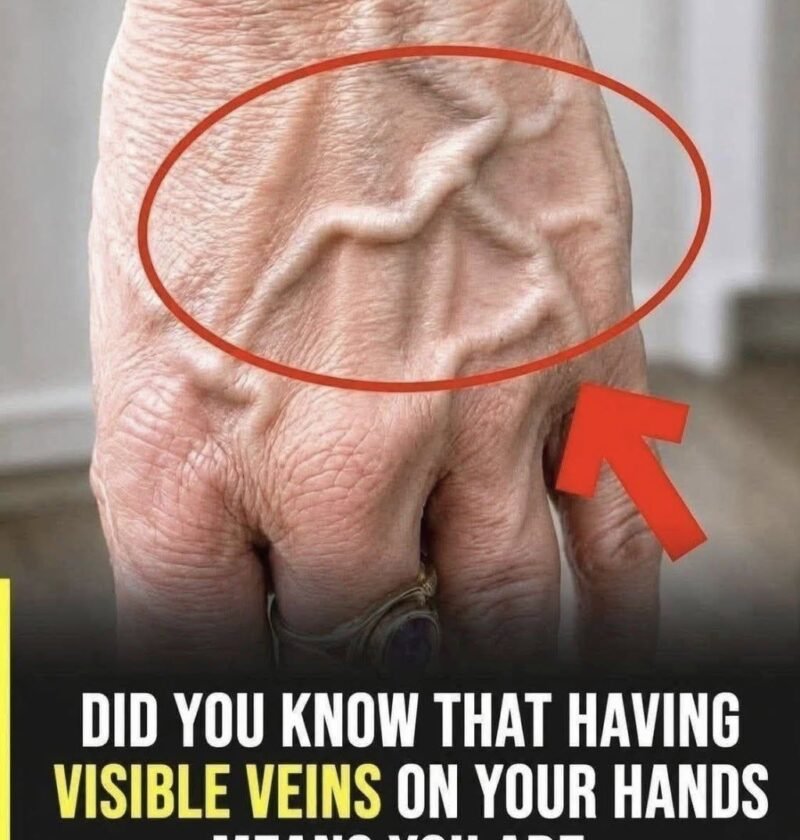
Having visible veins is completely normal in many cases and doesn’t automatically mean anything is wrong. Whether veins stand out depends on a mix of harmless physical traits, lifestyle factors, or—in some instances—underlying medical considerations.
The most common reasons why veins become more prominent include:
* **Low Body Fat & Fitness:** Having a lower body fat percentage or higher muscle mass (especially from weightlifting or regular exercise) leaves less tissue insulation between your skin and muscles, making veins stand out more.
* **Genetics & Skin Tone:** Natural skin thickness, complexion (lighter skin tones tend to show underlying blood vessels more clearly), and inherited family vein patterns play a major role.
* **Aging:** As skin naturally thins and loses collagen and elasticity over time, superficial veins become much easier to see.
* **Environment & Temperature:** Hot weather causes blood vessels to dilate (expand) near the skin’s surface to help cool the body down, temporarily increasing visibility.
* **Underlying Vein Conditions:** Sometimes, prominent, bulging, or twisted veins (like varicose veins or chronic venous insufficiency) can signal that the tiny valves inside the veins are weakened, causing blood to pool.
**When to pay closer attention:**
While everyday visible veins are usually harmless, you should consult a doctor or a vascular specialist if your prominent veins are accompanied by symptoms like persistent aching, pain, swelling, heaviness in the legs, skin discoloration, or sores.
Are you noticing visible veins in a specific area, or are you experiencing any other symptoms along with them?