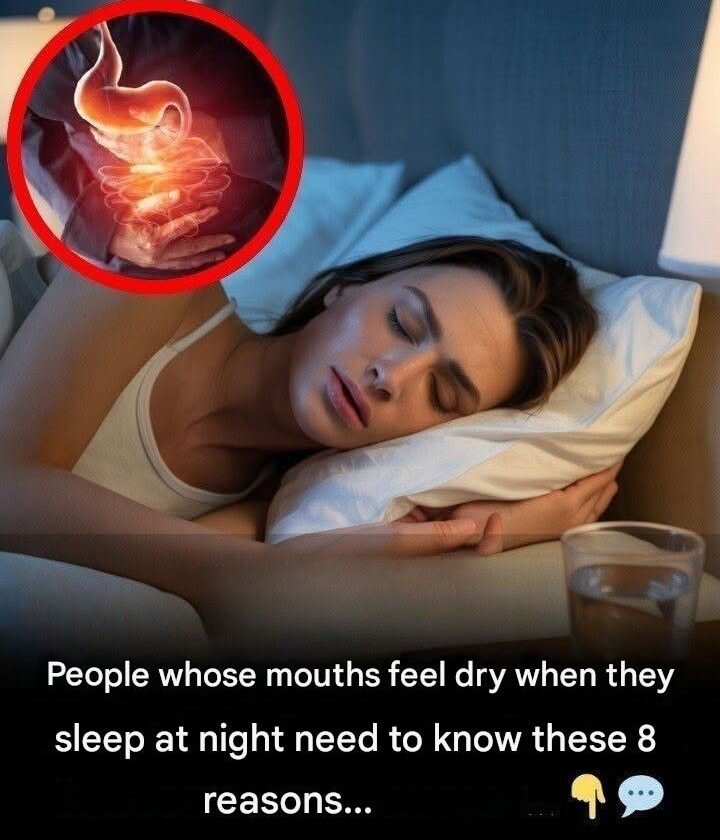
Experiencing a dry mouth (clinically known as xerostomia) during sleep is more than just an annoying wake-up call—it can make your throat feel like sandpaper, disrupt your sleep, and over time, put your dental health at risk because saliva is essential for fighting cavities and bacteria.
Here are 8 common reasons why your mouth might be drying out while you sleep:
1. Mouth Breathing
This is the single most common culprit. If you breathe through your mouth instead of your nose at night—due to a deviated septum, nasal polyps, or allergies—the constant airflow rapidly evaporates the moisture in your mouth.
2. Side Effects of Medication
Hundreds of prescription and over-the-counter drugs list dry mouth as a side effect. The most frequent offenders include:
-
Antihistamines and decongestants (for allergies/colds)
-
Blood pressure medications (like diuretics and beta-blockers)
-
Antidepressants and anti-anxiety drugs
3. Dehydration
If you aren’t drinking enough fluids throughout the day, or if you lose fluids due to exercise, illness, or a hot bedroom environment, your body reduces saliva production to conserve water.
4. Snoring and Sleep Apnea
Chronic snoring forces your mouth open as you gasp for air. Furthermore, Obstructive Sleep Apnea (OSA)—a condition where breathing repeatedly stops and starts throughout the night—is heavily linked to severe nighttime and morning dry mouth.
5. Aging
As we get older, our bodies naturally produce fewer fluids, including saliva. Additionally, older adults are more likely to take multiple medications that compound the drying effect.
6. Lifestyle Habits (Alcohol, Caffeine, and Nicotine)
Consuming alcohol or caffeinated beverages close to bedtime acts as a diuretic, pulling water from your system. Smoking or using tobacco products also severely damages salivary glands and irritates the lining of the mouth.
7. Sinus Congestion or Chronic Allergies
When your nasal passages are blocked by dust, pet dander, or a sinus infection, your body instinctively switches to mouth breathing just to get enough oxygen while you sleep.
8. Underlying Medical Conditions or Treatments
Sometimes, dry mouth is a sign of a systemic health issue. Conditions like Sjögren’s syndrome (an autoimmune disorder that attacks moisture-producing glands), diabetes, nerve damage in the head/neck, or treatments like head and neck radiation therapy can severely impair saliva flow.
Simple Ways to Find Relief
-
Keep water close by: Sip water throughout the evening and keep a glass by your bed.
-
Use a humidifier: Adding moisture back into your bedroom air can prevent your mucous membranes from drying out.
-
Try nasal strips: If you tend to stuff up at night, adhesive strips can help keep your nasal passages open.
-
Protect your teeth: Because saliva protects against tooth decay, practice meticulous dental hygiene and talk to your dentist about fluoride rinses or artificial saliva products if the issue persists.
Do you notice if you frequently wake up breathing through your mouth, or are you currently taking any daily medications that might be contributing