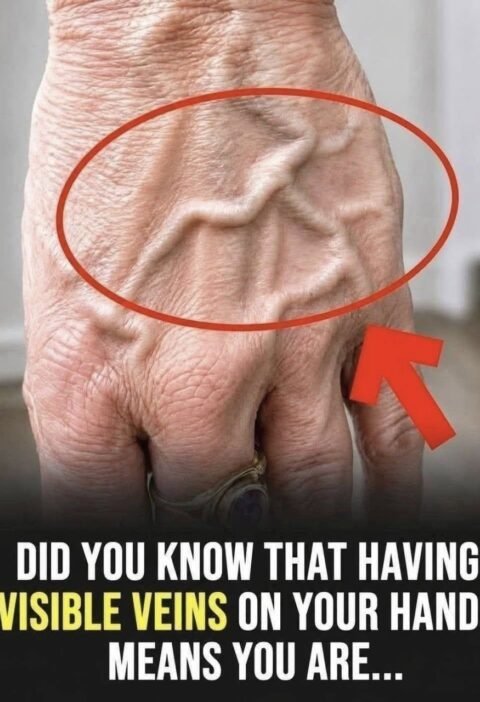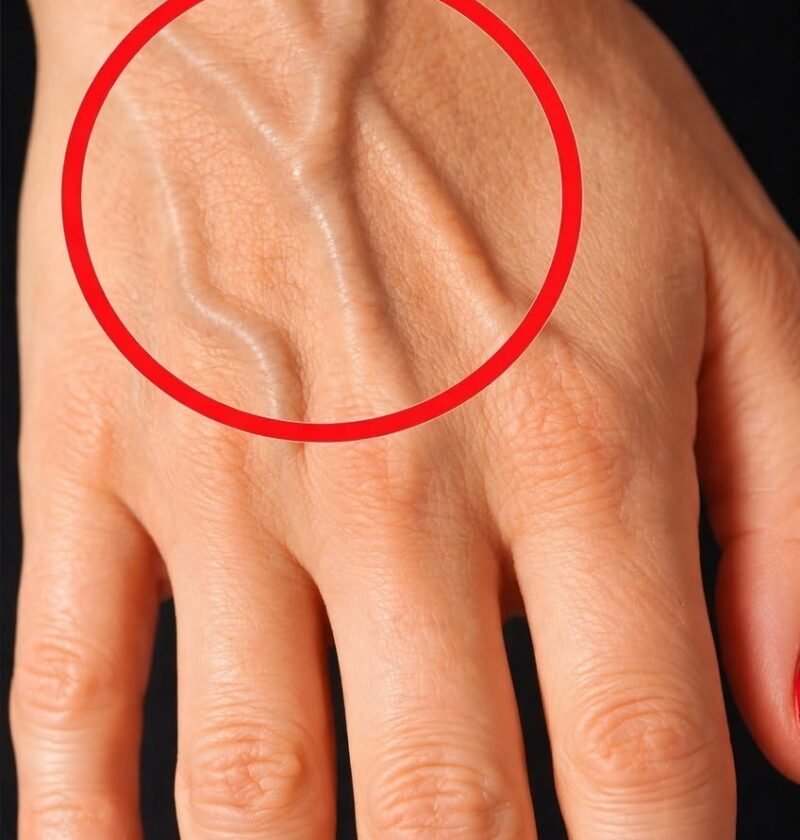
If your veins are visible, it most commonly means you have a low body fat percentage, thin skin, or a combination of both.
However, visible veins are completely normal and can be caused by a variety of harmless factors, as well as some medical considerations. Here is a breakdown of what visible veins usually indicate:
Common (and Harmless) Causes
-
Low Body Fat & High Muscle Mass: Body fat acts like an insulating layer beneath the skin. When body fat drops—whether through fitness, genetics, or weight loss—that layer thins out, making the veins underneath much more apparent. Additionally, working out increases blood flow and causes muscles to expand, pushing veins closer to the surface (known as vascularity).
-
Genetics and Natural Anatomy: Some people naturally have thinner, fairer, or more translucent skin due to their genetics. If your skin is naturally fair, your blue or green veins will naturally show through more easily.
-
Aging: As we age, our skin loses elasticity and the layer of subcutaneous fat beneath it thins out, which often makes veins on the hands, arms, and legs much more prominent.
-
Temporary Physical Triggers:
-
Heat: Warm weather causes your blood vessels to dilate (expand) to help cool your body down, bringing them closer to the skin’s surface.
-
Strenuous Exercise or Lifting: Heavy exertion temporarily increases blood pressure and blood volume, causing veins to bulge and stand out.
-
Hydration and Salt Intake: Dehydration or sudden shifts in fluid balance can sometimes affect how veins appear, though good hydration generally keeps blood volume healthy.
-
When to Pay Closer Attention
While most visible veins are entirely benign, certain types of prominent veins can signal an underlying medical issue:
-
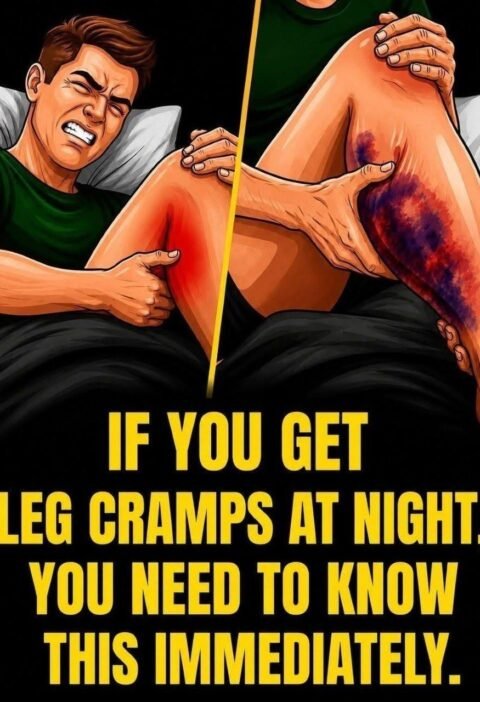
Varicose Veins: If your veins appear twisted, bulging, swollen, or dark purple/blue—especially in your legs—it could be a sign of chronic venous insufficiency. This happens when the tiny valves inside your veins weaken, causing blood to pool rather than flow smoothly back to the heart. They can cause aching, heaviness, or discomfort.
-
Spider Veins: These are smaller, damaged capillaries that appear close to the surface of the skin, often looking like thin red or blue webs. They are usually harmless but can be related to genetics, hormonal changes, or prolonged standing.
The Bottom Line
For most people, seeing your veins is just a normal sign of your body’s anatomy, low body fat, or a good workout. However, if your veins are bulging, painful, throbbing, or accompanied by swelling and cramping in your legs, it’s a good idea to consult a doctor or a vascular specialist.
Are you noticing visible veins in a specific area, like your hands, legs, or face?